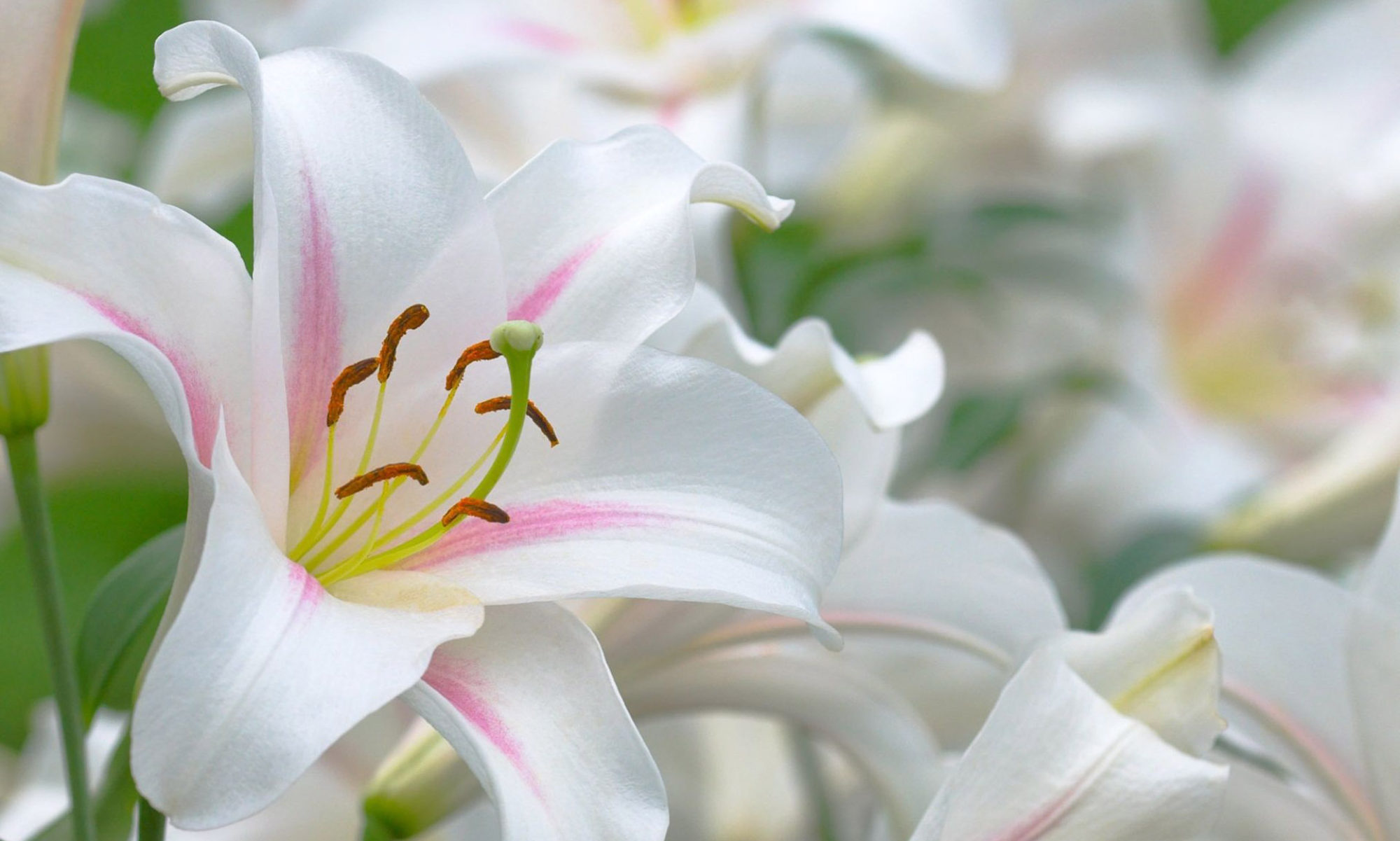
How does your garden grow?

Mary, Mary, quite contrary,
How does your garden grow?
With silver bells and cockle shells
And pretty maids all in a row.

Lately I’ve been engrossed in the Elizabeth of England Chronicles by G. Lawrence.  If you’re a history buff like myself, these novels are a riveting account of the life of Elizabeth the 1st as well as her sister, Mary, both daughters of Henry VIII.  Mary would later become known as “Bloody Mary” after she tortured and killed hundreds of Protestants during her short reign.  The seemingly innocent nursery rhyme above actually refers to her dark side – the “garden” suggests the graves of those she murdered; the “silver bells” and “cockle shells” are code names for instruments of torture and the  “maids” allude to the guillotines used in beheading.  Not a pretty story, by any means.

Ironically, as a child this was one of my favorite nursery rhymes.  When I recited the words I envisioned a beautiful garden of old with exotic flowers and colorful maidens in attendance.  It was the fairy tale catalyst that began my love affair with gardening.

Recently I found myself thinking about this rhyme and wondering what gardens were like in the time of Elizabeth and Mary in the mid to late 1500’s.  Life in those days was dependent upon the success of the harvest of wheat, oats and barley.  Crops were needed for livestock as well.  If it was an unusually wet year, crops would rot in the fields.  If unusually hot and dry, crops would be stunted.  In either event, the coming winter would be one of food shortages, sickness and even starvation.

Herb gardens were crucial in treating any and all maladies.  Poor diet and lack of hygiene could soon turn a minor wound deadly.  Dysentery, cholera, typhoid fever, scurvy, smallpox, measles and even plague were common.  Small churches and large monasteries alike had “infirmary” gardens of healing herbs at their disposal.  Comfrey, known as “boneset,” could calm inflammation and help mend broken bones.  Yarrow had strong antiseptic qualities and was used as a salve.  Lady’s mantle helped with menstrual pain.  Other widely grown medicinal herbs included sage, betony, hyssop, rue and chamomile.  All were used in a variety of treatments and were the only source of “medicine” available.

Flowers were grown not only for their beauty and fragrance, but many were also part of daily meals.  Sweet violets, nasturtium and borage were used in many dishes.  Commonly grown garden flowers included lavender, bluebells, forget-me-not, iris, lilies, foxglove, Canterbury bells, lady’s mantle and hollyhock.  Roses were used medicinally as well as made into jellies and oils.  Rose hips were used for teas and vinegar, and the once familiar Apothecary’s Rose is still widely grown today.

In our modern world where much is provided for us, the once daily struggle for survival is long forgotten.  We need only take a trip to the supermarket to procure all we need to make dinner; we need only visit the nearest CVS for our prescription medicines to make us well.  Our herb, flower and vegetable gardens are largely ornamental rather than necessary for subsistence.

Although we are far removed from life in the 16th century, the old-fashioned plants we continue to grow in our gardens and use in our kitchens connect us to the past.  They are truly living history.  They remind us how close we are to those harsh earlier times and how fragile life yet remains.

medieval garden

DISCLOSURE: From time to time I may use Affiliate Links such as the ones below.  I use these only for companies I trust.  When you click through on the link and make a purchase from the website, I may make a small commission (at no additional cost to you) which helps me to maintain my website.

Rituals

We all follow daily rituals and routines.  Every day upon awakening I go out into the kitchen and make coffee which I enjoy after a healthy glass of orange juice.  Every day I make a circuit of each room in the house, tidying up where needed.  Every day I make my bed before moving on to the other multiple tasks that make up my morning.

Our rituals are often simple yet surprisingly comforting.  They speak to us of familiarity and stability; they offer us security in their sameness.  When something occurs that disturbs our daily routine, we may feel slightly off like something is missing.

We begin our rituals the day we come into this world.  Babies benefit from a regular routine of feeding, napping and nurturing. Older children are comforted by the routines set for them by their parents such as reading a story each night and going to bed at the same time. When these daily routines are followed, all seems right with the world.

While working in a medical office where many of the patients were elderly, I witnessed first hand how important rituals are as we age.  Older folks who remained in the familiar surroundings of their homes seemed to fare far better than those who were moved into a new living situation.  Even people suffering from early dementia continued to manage far longer in the familiarity of their homes while following the same rituals that went back many, many years.

Most of us follow a cycle of birthdays and holidays, marking them each year in similar fashion.  Our lives are made up of common cyclical events such as starting school, graduating from college, getting married, starting a family and retiring.  We tend to worship in the same way and even bury our dead with sameness.  They are all the rituals that make up our lives and they are as important to our well-being as the food we eat and the air we breathe, for by following them we remain connected to all mankind.

bedtime story

DISCLOSURE: From time to time I may use Affiliate Links such as the one below. I use these only for companies I trust. When you click through on the link and make a purchase from the website, I may make a small commission (at no additional cost to you) which helps me to maintain my website.

http://www.wellfedwriter.com/cmd.php?af=1685196

My Ongoing Battle with Lyme

On a warm August night in 2004, my husband and I went to a local AMVETS hall to celebrate a friend’s birthday. While we enjoyed the music and food, I knew something was wrong as I began to feel increasing pain in my legs. I suddenly felt unwell and we left early for home. The next morning found me so sick I was unable to get out of bed. I had a high fever of over 103, severe joint pain and shaking chills. Alarmed, my husband bundled me in a blanket and we drove to the nearest emergency room.

At the hospital they did some blood tests, a chest X-ray and urinalysis. Although I never found a tick or had the classic “bull’s eye” rash associated with Lyme, I specifically asked to be tested since our home was in a known tick-ridden area. All tests came back negative; I was diagnosed with an unspecified viral illness and sent home with no treatment other than fluids and Tylenol. Unknown to me at the time, I was suffering from a tick-borne illness that would change my life forever.

For a couple of weeks I remained profoundly fatigued, had little appetite and quickly lost 12 lbs. Emaciated and still feeling weak I crawled back to work as soon as I could. I worked as an office manager in a busy medical office and asked my physician boss if we could get a second Lyme test just to be sure. The test came back positive, was confirmed by Western blot and I was placed on Doxycycline for three weeks. Slowly I got back to my usual health and thought my worries were over. I couldn’t have been more wrong.

In January of 2012, I came down with yet another mysterious flu-like illness. This time I had joint and muscle pain, especially of my upper body, accompanied by a low-grade fever and extreme fatigue. After a week I was again tested for Lyme. A sedimentation rate which is a test for inflammation was also ordered. My boss suspected polymyalgia rheumatica, an inflammatory disease common in elderly women, although at age 59 I was on the young side. The Lyme test showed only old disease but the sedimentation rate was high suggesting that I had PMR. I was immediately placed on the steroid drug Prednisone to counter the inflammation but although it alleviated the pain, the inflammation continued in the background. There were also many side effects associated with the drug. Over a period of five years, every time I tried to taper off the Prednisone, the pain and fatigue came back. It was only masking my symptoms and I was not getting better.

I began to question why an otherwise healthy 59 year old woman would suddenly be stricken by an inflammatory disease. Was it possible that the delayed treatment I received for Lyme was ineffective? Was the standard treatment of Doxycycline for tick borne illnesses “one size fits all?” Could my polymyalgia symptoms be the result of chronic Lyme disease that had been hiding in my system for 8 years? I saw an infectious disease specialist and a rheumatologist for their opinions. They had nothing more to offer and suggested I continue on the Prednisone.

A couple of years ago my husband and I stumbled upon the documentary film, Under Our Skin, about the silent Lyme epidemic in this country. Not only did this film confirm my fears that I could be suffering from an ongoing tick-borne illness, it showed how the medical community has largely abandoned people suffering with chronic Lyme symptoms. Few physicians consider chronic Lyme a valid diagnosis and those who do may use antibiotic treatment that can go on for years. Most physicians are quick to call it something else – fibromyalgia, polymyalgia, chronic pain syndrome or even depression – and it’s true that Lyme and other tick-borne illnesses vary in symptoms and can easily masquerade as something else. That is what makes it so difficult to diagnose.

In the spring of 2017 I consulted a naturopathic doctor to see what other options were available. She stated that a tincture of a special type of Cat’s Claw known as Una de Gato had shown promise in treating Lyme spirochetes, the spirally twisted bacteria that remain in the body after contracting the disease. She gave me hope. However, I had to get off the Prednisone before any treatment could begin and would very likely feel a lot worse before I felt any better. In the meantime she started me on some high-potency vitamins and minerals to help boost my immune system.

Within a couple of weeks of stopping the Prednisone, my pain and stiffness came back with a vengeance. I had to take arthritis-strength Tylenol along with ibuprofen several times a day. Even with that my sleep became compromised because I couldn’t find a comfortable position. It was too painful for me to exercise and I had to curtail the gentle Yoga classes I had been enjoying previously. It was a difficult time but I was determined to tough it out and give this new treatment a try.

After three months off Prednisone, the naturopath started me on the Una de Gato. I continued with the supplements, walking as much as possible and eating a healthy diet. Over the course of a year I’ve had slow but steady improvement. I now take Tylenol only at night, the pain is diminished and I’m exercising more. Although I’m not out of the woods yet, I seem to be moving in the right direction.

Cases of Lyme and other tick-borne illnesses are steadily rising in the U.S. The once silent epidemic is screaming for attention. We need to take a closer look at Lyme and similar illnesses and find a more effective treatment so that these diseases don’t come back to haunt us. We need more health care professionals who can offer hope.

For more information on Lyme disease click here:  https://www.lymedisease.org/

For more information on ticks click here:  http://www.tickencounter.org/Deer-tick-chart.jpg

Redefining Ourselves in Retirement

Retirement came to me before I even had time to consider what that would really mean.  My boss suddenly needed heart surgery and at age 75 decided that maybe it was finally time that he retire.  With his surgery looming, we helped our patients find a new physician and took all the necessary steps to close the office.   There was a lot of extra work and effort involved in this and by the time we closed the door for the last time, I was definitely ready for a rest, but was I ready for retirement?

After 32 years working in the same busy medical office, my boss and co-workers had become like family to me.  We had survived many of life’s ups and downs together; we were close.  It was hard to imagine life without my constant work companions, my longtime friends.  And without my job, how would I fill my days?

Along with the two other secretaries in the office, I decided to collect unemployment.  At least that would help pay the bills while I decided which direction to go in.  After a few short weeks the unemployment office expected me to attend a “training seminar” so that I could again find meaningful employment.  I considered that for one brief moment but at age 64 taking on another job wasn’t something I really wanted to do.  Instead, I looked into Social Security, signed up and took an early retirement.

Some people say they love retirement, that their lives are so busy they wonder how they ever found time to work!  Others go through what I call “work withdrawal” where they find themselves adrift without the anchor of their job security and stability.  I found myself wedged somewhere between the two.  Although I loved putting away the alarm clock, I still craved purpose in my life.

Since I took retirement in January, it was hard to spend much time outdoors and I easily succumbed to cabin fever.  It would be months before I could enjoy gardening and I could read for only so many hours a day.  To occupy my time I spent the winter months helping my husband with his metal casting business and waited patiently for spring.

Once the warm weather arrived I felt energized again.  I was getting out for daily walks and spending time working in the garden.  I had settled into my new lifestyle feeling rested and invigorated.  I was ready for something new but wasn’t sure what that was.

Over the previous year I had taken up writing, something I very much enjoyed but had little time for when working.  Now I found myself devoting more time to writing and the possibility of pursuing this as a vocation inspired me to look further.  It didn’t take me long to look into blogging as a means of getting my writing seen and as a platform to launch a new career.   Today, I enjoy adding to my blog on a regular basis and it has truly given me a new lease on life and a new purpose.

I would love to hear other retirement stories.  What do you do to fill your days?  Are you enjoying life more or less?  How are you managing financially?  Please feel free to comment and I promise to respond in kind.  Thank you for visiting my new website, Nancy with The Laughing Face.

retirement tiara
Photo courtesy Pixabay

DISCLOSURE: From time to time I may use Affiliate Links such as the ones below.  I use these only for companies I trust.  When you click through on the link and make a purchase from the website, I may make a small commission (at no additional cost to you) which helps me to maintain my website.

Gardening as Therapy

I have always found working in the garden to have a calming effect.  Plants are for the most part green, a soothing color which represents renewal, rebirth and hope.  Seeing green growth reappear in early spring does indeed fill us with hope of what’s to come and being surrounded by green hues is undeniably soothing.  Shade gardens, where there is little other color, can especially evoke a peaceful feeling.

The use of therapeutic gardens supposedly goes back to the ancient Egyptians and examples of gardens being used for healing can be found throughout history.  In the middle ages gardens provided medicinal herbs used to treat all manner of physical ailments as well as those of the mind.

Today, “horticultural therapy,” helps those people suffering from loss and grief, those limited by physical disabilities and those living in institutions.  A “horticultural therapist” is trained to help people engage in various garden activities as part of their treatment.  Working with plants helps people turn their focus away from negative feelings and towards positive ones that create a sense of well-being.

Gardening with children is a wonderful to way to get them outdoors and teach them about the miracle of life.   Having them plant fat, easily handled seeds such as sunflowers or beans provides almost immediate satisfaction as the seeds quickly sprout and grow.  Even young children can take part in the work of planting and watering, boosting their self-confidence and creating a closeness with the natural world around them.   I have fond memories of working in the garden with my own parents, helping pick tomatoes and green beans.

Evidence suggests that working with plants truly helps us stay healthy, both physically and mentally.  In the garden, we are connected to all that is good in life.  And so it is that I eagerly go outside and embrace my daily dose of gardening therapy.

girl wearing white floral dress beside grass plant at daytime
Photo by Maggie Zhao on Pexels.com

DISCLOSURE: From time to time I may use Affiliate Links such as the ones below.  I use these only for companies I trust.  When you click through on the link and make a purchase from the website, I may make a small commission (at no additional cost to you) which helps me to maintain my website.

An Ode to Mulch

Caring for a garden takes a lot of time, patience and work.  Although we’re all brimming with enthusiasm in spring, the summer gardening chores of weeding and watering get old fast.  When you have to squeeze in gardening between a job, housework and children, it can quickly become a burden.  So what is the number one thing I recommend to make gardening less labor intensive and more enjoyable?  It’s mulch!

Why mulch, you ask?  Well, one application put down in the spring lasts all season.  My personal preference is shredded bark mulch, although there are many different types to choose from.  You can either buy bagged mulch or have a landscaper bring in a truckload, depending upon your budget and the size of your garden.  If you’re young and energetic, you can easily spread it around yourself.  If you’re older than dirt (like my husband and myself), you might opt to have someone spread it for you.  Avoid the dyed stuff and go with the natural product which has a fresh pine scent.  Not only will your whole yard smell terrific, a mulched garden looks elegant and gives your home more curb appeal.

Mulch keeps your garden soil moist, thus limiting the time you have to spend watering.  You should still water any new plantings and during extended dry spells, but mulch holds the moisture much longer than bare soil so you’ll have to water less often.  Even outdoor potted plants benefit from a moisture-retentive layer of mulch.  So rather than holding a hose in the hot sun, you can hold a Margarita while you sit in the shade admiring your beautiful flowers and veggies!

Another benefit is that mulch suppresses weeds.  You will always have some weeds because they’re very good at what they do and Mother Nature programs them to use any available space in your garden to take up residence.  However, you’ll have a lot less weeds germinating in a three-inch layer of mulch and much less to pluck out later.

Lastly, a good organic mulch feeds your soil.  Year after year, layer after layer, mulch breaks down into compost and any compost is good news for your garden.  By keeping your soil healthy, your plants will be nourished the way nature intended.  Mulch also acts as an insulator, keeping the soil cooler in the heat of summer and protecting your perennials from severe cold in the winter.

So, if you want to spend less time working in your garden and more time admiring it, make a yearly investment in mulch and enjoy that Margarita!

green succulent flowers on pot
Photo by Tharatip Sukee on Pexels.com

DISCLOSURE: From time to time I may use Affiliate Links such as the ones below. I use these only for companies I trust. When you click through on the link and make a purchase from the website, I may make a small commission (at no additional cost to you) which helps me to maintain my website.

Summer Gardening

After a week in the 90’s, this morning dawned (almost) crisp and cool.  Refreshing air from Canada pushed through yesterday with thunderstorms, clearing out the oppressive heat and humidity that had been plaguing us here in the Northeast.  It will be a perfect day to get out in the garden!

I personally find summer gardening a challenge.  Although I love to be outdoors, I have to choose my time carefully.  The sun in early July is high in the sky and heats up the air quickly.  Hungry insects abound, including deer flies, black flies, mosquitos and (ugh!) ticks.  The flying types work me into a swatting frenzy soon after stepping into the yard; the ticks wait for me to step in their path where they can easily hitch a ride.

If I’m going to spend any time in the yard, I have to “suit up.”  This includes donning light-colored clothing for comfort in the sun as well as protection from ticks; you can easily spot a black deer tick on white fabric.  Depending on the time of day, I may also wear a wide-brim hat, but I’d rather get some sun exposure if possible.  I love the look and feel of sun-kissed skin but don’t go for an all-over tan anymore and sunburn is definitely shunned.

Once properly dressed I’m ready to tackle the garden chores.  This includes dead-heading my flowers to promote fresh blooms, cleaning out any dead or damaged plant debris, weeding and generally offering encouragement to my vegetables.  I’ll work until (1) the bugs drive me crazy or (2) I begin to wilt from the heat.  In spite of these obstacles, I still remain enthusiastic.  Today will be a perfect day to get out in the garden!

nature flowers garden plant
Photo by Pixabay on Pexels.com

DISCLOSURE: From time to time I may use Affiliate Links such as the ones below. I use these only for companies I trust. When you click through on the link and make a purchase from the website, I may make a small commission (at no additional cost to you) which helps me to maintain my website.


Oh, Deer!

Looking out at my vegetable garden early this morning, I noticed that one tomato plant seemed to be missing its top.  Hmmm, what’s up with that, I thought to myself.   Standing a couple of feet tall, it was unlikely a woodchuck would be able to reach the top and woodchucks aren’t careful eaters – the whole tomato plant would be a stub!  No, this was something else, something I needed to investigate further.  I walked out into the humid July morning to find nearly all my daylily flower buds missing from the same garden.  I knew the culprit immediately – Deer!

Yes, folks, it’s a sad truth that deer love daylilies as much as we do.  They wait until the fat buds are just ready to burst into bloom and then delicately nip their way through each plant.  Does the phrase “nipped in the bud” come to mind?  I never had deer eat my tomato plants before but then my previous vegetable garden was enclosed by a six-foot fence.   That vegetable garden was sacrificed to a new septic system installation and the old fence went with it, but that’s another story.  This newer two-year old garden had escaped the deer until now but I knew it was only a matter of time because NOTHING will deter deer if you don’t have a fence.

Now this is not a new problem for me.  Over the years I’ve used all kinds of sprays and planted “deer-proof” flowers around my precious hostas and daylilies – the favored snacks of deer in this area.  But no plant is truly safe from these voracious creatures.  When deer are hungry enough, they will binge on just about anything.

Oddly enough, I’ve seen deer leave whole rows of tawny daylilies unscathed on one side of the road while the neighbor’s lilies across the street were completely stripped of buds!  Deer will also leave you a couple of buds on each plant just to show they’re not entirely without a conscience.  They’re mercurial and we never know for certain when they will strike or what they will eat.  The only thing we know for sure is that if there are deer in the area, we will not escape their munching for long.

For us baby boomers, deer can bring back memories of our beloved “Bambi,” the Disney film that was so popular in our childhoods.  It’s hard not to love deer after seeing that, to sympathize with their struggle for survival.  Indeed, it’s hard not to love all of God’s creatures; that is, until they decide to have our gardens for dinner.  Then, it becomes all out war!  But take it from one who has fought the long battle with deer – the victory is always there’s.  Guess it’s time to get that fence up!

shallow focus photo of brown reindeer
Photo by Magda Ehlers on Pexels.com

DISCLOSURE: From time to time I may use Affiliate Links such as the ones below. I use these only for companies I trust. When you click through on the link and make a purchase from the website, I may make a small commission (at no additional cost to you) which helps me to maintain my website.