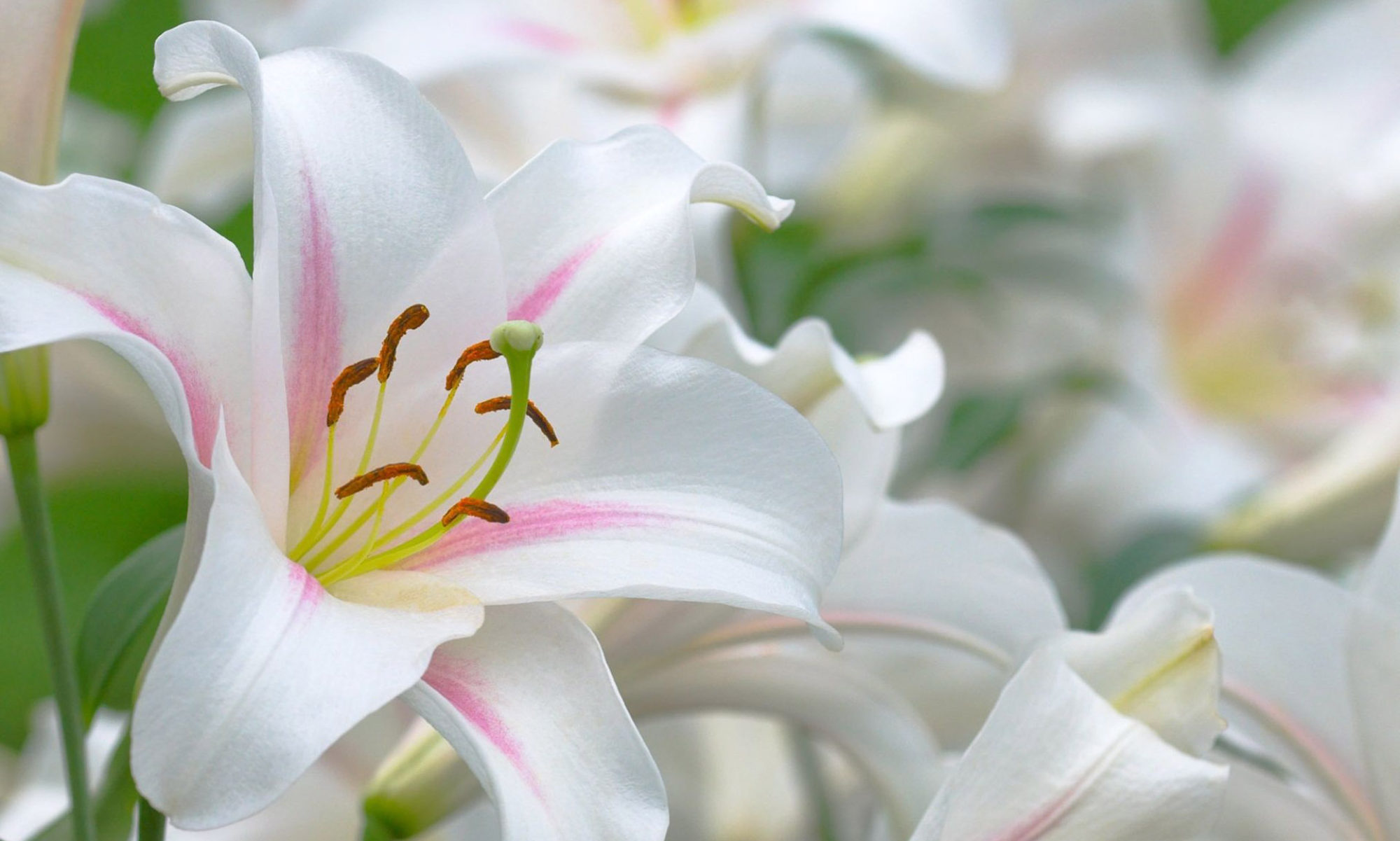
December is a sacred month. Christians observe the birth of their savior, Jesus. Gentle Buddhists practice sharing gifts of peace and goodwill to others. People of the Jewish faith celebrate Hanukkah with the Festival of Lights. Hindus enjoy a holiday called Pancha Ganapati, an expression of the natural season of worship, with chanting and gift-giving. No matter our faith, we are all united in observing this most spiritual of months.
Photo courtesy of Grant Whitty on Unsplash
December is a time of feasting. People all over the world enjoy preparing traditional foods with recipes that often go back many generations. When we gather with family and friends and partake of these special foods, we are connected to everyone who has ever graced our lives. It’s a ritual of love which we repeat again and again, year after year, savoring not only the classic flavors but the fond memories they evoke.
Photo courtesy of Brooke Lark on Unsplash
December acknowledges our losses. Of all the months of the year, now is the time we most acutely feel the loss of our loved ones. It doesn’t matter how many years ago the loss happened or in what season it occurred; it doesn’t matter how old or young the person was or whether the death was sudden or lingering. At some point this month most of us will relive precious moments spent with family and friends and mourn them all over again.
December brings us full circle. John Lennon expressed it perfectly, “Another year over, A new one just begun.” It’s a time of gratitude for all the good things in our lives and a time to look forward in hope and faith. Happy December, Everyone!
The day after Thanksgiving is considered by many to be the official start of the Christmas season but, for me, it’s a time of reflection and a time to be grateful for all that is good in life. And my mantra these days is “cherish the simple things” as I seek and find blessings in everyday circumstances.
Beyond the crowded malls and frenzied shopping, far away from the hustle and bustle of the season, there is peace and simple beauty all around us, if we only choose to see it. The stillness of a December dawn, the flash of a red cardinal through evergreen boughs, the sparkle of frost on fallen leaves – all so simple and common in their occurrence that they are easily overlooked and, yet, so stunningly beautiful that they can stop us in our tracks.
And what is more precious than the warm embrace that greets us as we open the door to loved ones, the prayer of thanks murmured as we gather around the table for dinner, the laughter we share together. These are my blessings, the most prized of all gifts!
Prized for their large, multicolored winter blooms, Amaryllis plants are also one of the easiest to grow. In fact, you can grow Amaryllis in just water, but I like to keep them potted up to bloom yet another year. In an earlier blog, Holiday Decorating With Winter Blooms, I included a brief description of Amaryllis which I’ll expand upon today in hopes of inspiring more of you to take these amazing plants for a test drive. They are really the perfect “beginners” bulb and this is the perfect time of year to plant them!
“Apple Blossom” Amaryllis (Photo by Nancy Marie Allen)
There are many different types of Amaryllis available for growing indoors. The earliest variety is the South African Amaryllis or Christmas Amaryllis which blooms anywhere from 4 to 8 weeks after potting up. This means that if you plant your bulb sometime in November, you should have flowers for Christmas and New Year’s. For this reason, they make ideal holiday gifts! South African Amaryllis have different sized flowers and heights and fall into three groups: Sonata, Sonatini, and Symphony.
A Single Amaryllis Bulb creates a Living Bouquet (Photo courtesy of Harry & David)
Dutch Amaryllis usually bloom in 8 to 12 weeks after potting up and there are single as well as double varieties; there are also mini and giant Amaryllis. These vigorous plants grow so quickly that you can almost sit back and watch it happen! By choosing a variety of different types, or by planting fresh bulbs every couple of weeks, you can stagger blooms for a continuous show from winter into spring.
Growth Stages of Amaryllis (Photo courtesy Jackson and Perkins)
I like the fact that individual Amaryllis take up little tabletop space; they’re easily tucked into holiday decorations and grouped with other flowering plants. By placing three or more pots into a larger decorative container and covering with moss, you can create quite a dramatic effect for larger spaces. Some varieties grow up to 18″ tall so you may need to place stakes in the pots for support (as shown in the photo below). Shorter varieties do well on their own. Large or small, Amaryllis create quite a show when grouped together!
Amaryllis Varieties (photo courtesy of Gardener’s Supply)
The flowers of Amaryllis, or Hippeastrum as they are known in the horticultural world, can be as large as dinner plates and usually come three or four to a single stem. The many vivid colors are iridescent and because of their shimmering quality, the blooms blend particularly well with sparkling holiday lights and decor. They also range in style from demure to brazen, so there’s truly an Amaryllis for everyone’s taste!
Cut Amaryllis Stems in Holiday Display (Photo courtesy of Better Homes and Gardens)
Unless you purchase a plant that’s already growing, you will start your journey with an Amaryllis bulb such as the ones shown below. The better the bulb, the better the bloom, so it’s wise to purchase healthy plump bulbs from a reputable garden site that features Amaryllis. I highly recommend the John Scheepers, Beauty from Bulbs, website. Use a quality potting mix as well, one that is light and fluffy in texture. Pot them up with roughly the top third of the bulb remaining above the surface; this will keep the bulb from getting waterlogged. The pot should be only about an inch larger in circumference than the bulb since Amaryllis like to feel snug in their beds. Placing pebbles or moss on the soil surface finishes the look with a decorative touch.
Amaryllis Bulb (Photo courtesy of John Scheepers)
Potted Bulbs (Photo courtesy of John Scheepers)
I hope I’ve encouraged you to give Amaryllis a try. For very little effort on your part, you’ll be rewarded with beauty and color to fill your winter days. The boxed Amaryllis “kits” that you find everywhere this time of year are inexpensive and suitable for beginners in that they contain everything you need to get growing. More experienced gardeners and houseplant enthusiasts can choose from the myriad types of Amaryllis now available and plant with abandon!
As I write this blog, it’s dark, raw and rainy outside, typical of this time of year. Inside the house, I try to ignore the gloom surrounding me, focusing instead on what’s good about the season; and there is so much good to think on, when I take the time to look a little deeper.
A Glimmer of Light (Photo by Pixabay on Pexels.com)
Over the weekend, I put up some solar twinkle lights on my garden trellis. This was such an easy task and yet it cheered me with the prospect of gazing out my kitchen window at night and seeing this simple structure light up the darkness. I was giving my garden a special adornment, a sparkling cloak in honor of the floral beauty it brought me this past season. Adding this glimmer of light to the outside was also a nod to the coming of winter, to moving inside and basking in the warm comforts of home.
Leaving work on a particularly miserable day, a friend once said to me, “I just want to go home and get cozy.” Cozy sure sounded good to me, too! But, what exactly is cozy? Is it a state of mind, of comfort, of warmth? Is it that glimmer of light in the darkness? It’s all of these things and yet different for each one of us; cozy is personal.
A Cozy Cat (Photo courtesy Kate Stone Matheson – Unsplash)
Coming inside, living indoors, is the natural consequence of cold, long winters; but how we choose to live in our homes during these dark months is what makes it bearable and, dare I say it, pleasurable.
Cozy is my constant survival mode for winter. Keeping the house comfortably warm, adding blankets, pillows and throws to sitting areas and lighting a wood fire all contribute to the perfect ambiance. Flannel sheets, shirts, and nightgowns embrace me with softness. Steaming mugs of tea, coffee and cocoa become my preferred beverages. Even everyday cooking creates comforting warmth with its tantalizing aromas of freshly baked bread and slow-cooked soups and stews.
Preparing our homes for the holidays only ramps up the coziness factor. We can create scenes of indoor beauty with just white candles and fragrant greenery or add more magic with the sparkle of tree lights, presents, and ornaments. From simple to ornate, it’s all pleasing to our senses and only adds to the pleasure of being home. The key to living well all winter is to keep this warm and comforting aura going long after the Christmas tree has been taken down.
By enhancing our pleasure in being indoors, home becomes the place where we most want to be – a place that’s inviting, beautiful, warm, andcozy.
The holidays are upon us once again and that means decorating our homes in celebration of the season. Every year, garlands of fragrant greenery, wreaths, and trees fill our homes and our senses, but houseplants can also make a cheerful contribution. By including colorful winter blooms around the house we can add even more sparkle to festive occasions AND these same plants will continue to please long after the holidays are over.
AMARYLLIS
White Amaryllis (Photo courtesy item.rakuten.co.jp)
One of my favorite winter blooms is the stately Amaryllis. These tropical plants are usually purchased as bulbs from which large flowers emerge in 6 to 12 weeks. You can choose from a rainbow of colors which will complement any decor. African or Christmas Amaryllis is an early variety which can be potted up in November for a stunning December show. Although the flowers last only a couple of weeks, you can stagger different varieties to keep the show going all winter.
ANTHURIUM
Bright Red Bracts of Anthurium (Photo by Nancy Marie Allen)
Anthuriums are popular houseplants that bloom virtually non-stop with heart-shaped bracts or spathes similar to the Peace Lily. Add to this the fact that they come in white, red, pink, yellow, orange or green and you have instant, colorful holiday decor. One word of caution is that Anthuriums can cause gastric upset if ingested, so place these beauties out of reach of children and pets.
CYCLAMEN
Cyclamen adorn the Mantle (photo courtesy of Gardenista.com)
Cyclamen, with their vibrant silken flowers and mottled dark green foliage, look like they belong in a fairy garden. They are especially fetching with fresh holiday greenery, and their petite size makes them perfect for grouping as in the mantle display above.
Exotic orchids such as the Phalaenopsis above are available year-round and the many varieties and colors can create high drama in holiday displays. An extra bonus is that the blooms usually last several weeks, carrying us right into spring!
POINSETTIA
Poinsettias in Many Colors (Photo courtesy Purdue University)
Classic Poinsettias are probably the best known of all holiday houseplants. The large blooms are really bracts that last for many weeks. Look for lush, full plants with dark green leaves. The great thing about poinsettias is that you can find them in small, medium, or large containers to fill any space in your home.
“Apple Blossom” Amaryllis in February (Photo by Nancy Marie Allen)
There are many winter blooming plants available at florists, garden centers and even grocery stores, and there’s something for every budget. Take the time to read the plant care tag to ensure that your plant will be happy in your particular home conditions. Experiment with something new or stick with something tried and true, but don’t be afraid to bring a little floral excitement into your holidays and beyond!
At some point in high school, I bought a small “pocket” book about Yoga poses and started practicing them at home. It was the late 1960’s and Yoga was just becoming popular in our hip culture. I liked the challenge of learning how to do the poses and my young body easily bent and stretched as I followed the instructions on the series of poses that made up the “Sun Salutation.” There was no such thing as a Yoga studio at that time in my small hometown and no place to go where I could learn more. Besides, I had neither a car nor money for classes and had to content myself with practicing alone at home. For the next several years, I did just that.
Photo courtesy of Simon Rae
In 1973, after graduating from college, I began working at a local medical center doing transcription. A co-worker there asked if I would like to join her and a friend who had just rented a small storefront as a place to meet and practice Yoga. I was thrilled to finally have an opportunity to learn more about it and practice with others, so I quickly agreed. The dedicated young woman who was to become my first teacher was really just learning herself but she was totally devoted to all things Yoga and instilled a love of practice in me that would continue for life. We met weekly in that tiny rental and then in her home, creating more space, and all the time more young women were joining us. Yoga was becoming mainstream!
Photo courtesy of Jacob Postuma
After about five years, my teacher went on to take advanced teacher training and become accredited. For a while I considered this, too, taking some of these classes myself which were held in a large studio near Boston. With one mat right up close to the next, the classes were always jam-packed with people who had committed themselves to regular practice. It was my first experience with the mega business Yoga was becoming and I was excited to be a part of it.
During this time I married and my new husband and I bought a home. It wasn’t long before I became pregnant with my first child and my Yoga practice took a back seat as I adjusted to my new life as a homemaker, wife, and soon-to-be mother. Even during this busy time, I continued to meet with my Yoga friends and practiced throughout my pregnancy. Yoga had become a huge part of my life and I saw it only continuing into the future.
For nearly 50 years and through all of life’s ups and downs, I’ve continued to practice Yoga. There have been times when I’ve had to stop because of health issues but I’ve always come back, again and again. For me, coming back to Yoga is like coming home. There’s something so comforting and stabilizing in the practice, something that nothing else in life provides. And I don’t think I can adequately describe what it’s like because Yoga has to be experienced to be understood, and the experience is in the practice.
Photo courtesy of rawpixel
These days my practice is very different from the vigorous Hatha flow sequences of my youth. I’m fortunate to have a studio near my home where safety and well-being are encouraged and supported by a knowledgeable and dedicated staff. Because my body has changed with age and physical limitations, I’ve had to make changes in the way I practice, but I find this softer version to be even deeper and more rewarding. And it only reinforces my belief that Yoga can be practiced at any time and at any age. My teacher recently posted this quote which expresses it beautifully:
“When we realize that what we are advancing toward is not some physical form but an inward recognition of the truth of who we are, then we will not feel ourselves to be failing if we cannot attain difficult postures. “Advanced” practice is any movement that brings us closer to this recognition of our true self. .” ~ Donna Farhi
I hope I have inspired some of you to try Yoga or maybe get back to regular practice, and I’d love to hear about your experiences as well. Namaste.
For more on the remarkable studio where I practice, click on this link: https://abtyoga.com/
DISCLOSURE: From time to time I may use Affiliate Links such as the one below. I use these only for companies I trust. When you click through on the link and make a purchase, I may make a small commission (at no additional cost to you) which helps me to maintain my website. Thank You!
Just as the leaves fall and the days grow shorter, we humans experience our own yearly changes. The end of Daylight Savings Time in early November signifies, for many of us, the beginning of winter. Here, in the Northeastern United States, darkness starts to creep in around 4 pm. We plan our days around what time it will be dark, reminding ourselves to leave outside lights on when running afternoon errands. Cloudy and rainy days are particularly gloomy and dismal. Even on the brightest days, the sun stays low in the sky, barely rising before beginning its early descent. It’s the time of year when we are most keenly aware of our own inner clocks.
Many of us are profoundly affected by the external changes in light. Our brains send out signals to help us reset our biologic clock to this new cycle. The Germans call these cues Zeitgebers which means “time-givers,” daylight being the most significant. There’s a lot of science behind this but for me, it boils down to one thing – I simply crave the lost sunlight.
Here’s where I have to admit that I’m a sun worshipper. I’ve always loved the sun and every summer of my childhood was spent at the beach. After a day of frolicking in the sand and surf, I felt positively energized by all the sunlight I had soaked up and sun worship became a lifelong religion.
During the spring and summer months, I spend a lot of my time outside, tending my vegetable and flower gardens. I take daily walks around the neighborhood, soaking up all that life-giving sunlight and feeling nourished by it. But it’s the late fall and early winter months that are the real challenge for me, dark November and December being the worst. I mourn the loss of my gardens and must satisfy my sun cravings with getting outside as much as possible. Aside from living in front of a sun lamp, it’s the best I can do.
This winter, I will sip hot tea in front of a cozy fire while my beloved gardens are sleeping under the snow. On the days that are not too frigid or wet, I will brave the outdoors seeking what little sunlight I can find. It’s always a long haul until spring but by late January the days are noticeably longer and the sun becomes stronger with the promise of fair days ahead. Now, if only I could hibernate until April!
DISCLOSURE: From time to time I may use Affiliate Links such as the ones below. I use these only for companies I trust. When you click through on the link and make a purchase, I may make a small commission (at no additional cost to you) which helps me to maintain my website. Thank You!
I wanted to share some of the brilliant colors I captured on my walk today, Halloween, the 31st of October.
A golden maple beckons at the end of the driveway (Photo by Nancy Marie Allen)
With November nearly upon us, the foliage colors are slowly changing to soft golds and russets but there are still many bright reds to be found.
Late October Vignette of Burning Bush, Sedum and Grasses (Photo by Nancy Marie Allen)
Although the plants above were intentionally placed together, there are many scenes in the natural landscape where colors also complement each other as if by design.
Golds, Reds, and Greens of Late October (Photo by Nancy Marie Allen)
Pumpkins along an old New England stone wall will thrill early Trick or Treaters with their bright orange pops of color.
Bright pumpkins celebrate the season (Photo by Nancy Marie Allen)
Color is everywhere right now; one just has to take the time to enjoy it.
Happy Halloween, Everyone!
A Japanese Maple punctuates the landscape with brilliant red (Photo by Nancy Marie Allen)
There’s so much more to walking than just exercise! Today, I’ll share some insights into how regular walking can help us along the way through life’s many bumps and keep us moving toward wellness.
A peaceful field within walking distance of my home (Photo by Nancy Marie Allen)
UNPLUG FIRST
If I had to choose one word to describe modern life today, it would be “busy.” We are all so busy, all the time, rushing from one task to the next! Even on our off hours, when we’re not commuting, working, chauffeuring, housekeeping or running errands, it’s normal for us to spend many more hours plugged into our electronic devices or sitting in front of a big screen. For our physical and mental wellbeing, it’s so important to take a daily break outdoors and unplug from all the incessant activity. Walking provides the perfect space for this to happen and there are many therapeutic ways for us to walk.
Meditate on the beauty around you (Photo by Nancy Marie Allen)
WALK IN SILENCE
If you are fortunate to be able to walk in a beautiful and peaceful setting, you might want to try a walking meditation. This type of walk is perfect along a beach or country road where you can take in the sounds of nature. Simply put, you walk in silence, breathing and observing all the beauty around you. When distracting thoughts appear, acknowledge them, put them aside for later, and return your focus again to breathing, walking, and relaxing in your peaceful surroundings. Walking in this manner is particularly beneficial for people dealing with stress and anxiety since it brings about a naturally calming and soothing effect.
Find beauty in the simple things (Photo by Nancy Marie Allen)
WALK AND TALK
Maybe you just want to talk and share something with a special person in your life. Grab a friend, partner or spouse and walk a while together. This provides the perfect alone time for just the two of you. Let the conversation flow naturally and don’t force it. It’s so easy to relax and talk without the constant distractions of everyday life, and you may find you’re better able to work out a problem while walking and sharing in this private space. Go ahead and talk it all out but savor the inevitable quiet spaces in between without awkwardness; they’re just as important to your overall well-being.
Take a moment to enjoy the flowers along the way (Photo by Nancy Marie Allen)
WALK THROUGH GRIEF
All of us, at one time or another, suffer a life-changing loss. Whether it’s the loss of a loved one or the loss of a home or job, the resulting grief can be overwhelming and frightening. Whenever I’ve suffered a loss or life-altering event, I’ve turned to walking to help me cope. The simple act of walking creates the space we need to experience our grief while at the same time finding acceptance in the knowledge that life goes on. All around us, there’s the constant reminder of the cycle of life and death and we are just another part of that natural course. It may not be very comforting to think about this, but it helps us put our grief in perspective and alleviates the isolation that grief and depression can cause. If you are in the midst of grieving, try to incorporate a daily walk as part of your healing process and remember to be gentle with yourself during this time.
Celebrate the unexpected in your walks (Photo by Nancy Marie Allen)
WALK AFTER ILLNESS
I’ve been dealing with chronic Lyme disease for several years and there have been times when any exercise has been just too painful. During the worst times, when I was first diagnosed and recovering, I began taking short walks to build up my strength and stamina. It was a challenge for me to walk just a short five-minute distance from my home; but, over time and with walking a little more each day, I could feel my health slowly returning. Walking brought me back to wellness.
WALK AT ANY AGE
I believe that walking is one of the safest means for us to get back on the road to wellness and stay there. Walking outdoors is free, wholesome, available to most at any point in our lives, and clearly therapeutic for whatever ails us.
Walking is good therapy for all ages (Photo by Michael Podger on Unsplash)
Here are some tips to incorporate walking into your life:
Make the choice to get outside and walk every day you can. Yes, it’s a choice you have to make, just like you choose to do any countless other activities each day.
Keep it simple and bring along only what you absolutely need. You can take your cell phone for security but leave it turned off so you won’t be distracted.
Wear comfortable clothing and dress for the weather. This seems obvious but wearing soft, comfy clothing and well-fitting walking shoes will make all the difference in the enjoyment of your walks.
Be consistent. Walk often and make it a regular part of your routine. Don’t worry about how long or how fast you walk, and don’t get bogged down with how many steps you’ve taken, the benefits are still there. Just do it and you’ll feel better for it!
Photo by Timothy Eberly on Unsplash
DISCLOSURE: From time to time I may use Affiliate Links such as the ones below. I use these only for companies I trust. When you click through on the link and make a purchase from the website, I may make a small commission (at no additional cost to you) which helps me to maintain my website.
Now that temperatures are falling, many of us are in the process of bringing in potted plants from outdoors. Some will do well inside our homes, others not so much, but it’s always fun to try and save them for another year. Surrounding ourselves with green plants helps cheer us through the dark winter months and adds much-needed moisture to the dry air in our homes. Today, I’ll focus on potted tender houseplants as well as potted hardy perennials and how to care for them through the winter months. Here are some of my tips for bringing the greenery back inside.
Group Plants Together in your Brightest Areas (Photo by Nancy Marie Allen)
SEQUESTER AND WASH TENDER PLANTS FIRST
All those houseplants you moved outdoors in June really enjoyed their summer vacation but they may have picked up some unwanted hitchhikers along the way. Once you bring them inside, place the plants in your kitchen sink (or your shower for the big guys) and use a sprayer to wash off all the leaves. Be sure to spray well underneath the leaves where insects and eggs can hide. Water the soil thoroughly, too, and let the pots drain completely. This will help wash away any insects. Also, giving your plants a thorough soaking will help them adjust to their new dry heat environment. If you can, group these plants together for a few days and monitor for any disease or insects BEFORE you let them join in with your other houseplants.
Using Plant Light Bulb in Table Lamp (Photo by Nancy Marie Allen)
CREATE SPACE AND LIGHT FOR TENDER PLANTS
This sounds easier than it actually is because now you have a bunch of plants that need a home for several months and that home has to provide enough light. Unless you are fortunate enough to have a bright, sunny room specifically for your plants, creating such a space can be a challenge. Certain plants like herbs, for example, need as much sunlight as possible to thrive indoors and winter sunlight can be hard to come by. Also, your resident houseplants (those you don’t move outside) have probably already taken the sunniest spots on your windowsills. The good news is that plants are social and love hanging out with their neighbors, so feel free to group them closely together and encourage a plant party wherever you can find the space.
One trick I’ve learned to create more light indoors is to use LED plant light bulbs in my regular house lamps and group as many plants as possible underneath. These light bulbs are inexpensive to buy and use, are longlasting and fit in a standard socket. Your plants will benefit not only from the extra light of the plant bulb but grouping the plants together will help sustain the moist environment they crave in the dry winter heat of our homes and may make the difference between just surviving and thriving.
Potted Perennials to Bring Inside (Photo by Nancy Marie Allen)
USE COLD STORAGE FOR POTTED PERENNIALS
During the summer I like to use potted perennials like hostas, heuchera, lamium, ferns, and creeping Jenny to add color to the many shady nooks around my home. After a killing frost, I take those big planters and keep them over the winter in my unheated garage. This accomplishes two important things. I don’t have to worry about my pots getting damaged from the constant freezing and thawing going on outside and the unheated garage provides the perfect place for these plants to achieve the winter dormancy they require while in a protected environment.
The crucial thing to remember here is that your plants will need water to survive in this dry, cold space. Check them every couple of weeks and keep a watering calendar to remind you when it’s time to look in on them. Water them sparingly but regularly, just enough to keep them moist. It’s better to err on the dry side here as too much water will only cause them to rot. In early spring you’ll notice fresh green growth, the sure sign that you have done your job well. Continue to water and move your pots outside again in the spring after danger of frost has passed.
Potted Early Spring Perennials (Photo by Nancy Marie Allen)
By assessing your plants’ needs and creating mini-environments of adequate light and moisture, your houseplants will be happier and healthier. Your potted perennials, on the other hand, will sleep peacefully through the winter, thinking they’re safely tucked under a blanket of snow. In either case, they should all arrive safely at their spring destination where they can enjoy the great outdoors once again!
One-Time
Monthly
Yearly
Donations Help to Keep Me Growing!
Make a monthly donation
Make a yearly donation
Choose an amount
¤5.00
¤15.00
¤25.00
¤5.00
¤15.00
¤100.00
¤5.00
¤15.00
¤100.00
Or enter a custom amount
¤
Your Contribution is Greatly Appreciated – Thank You!