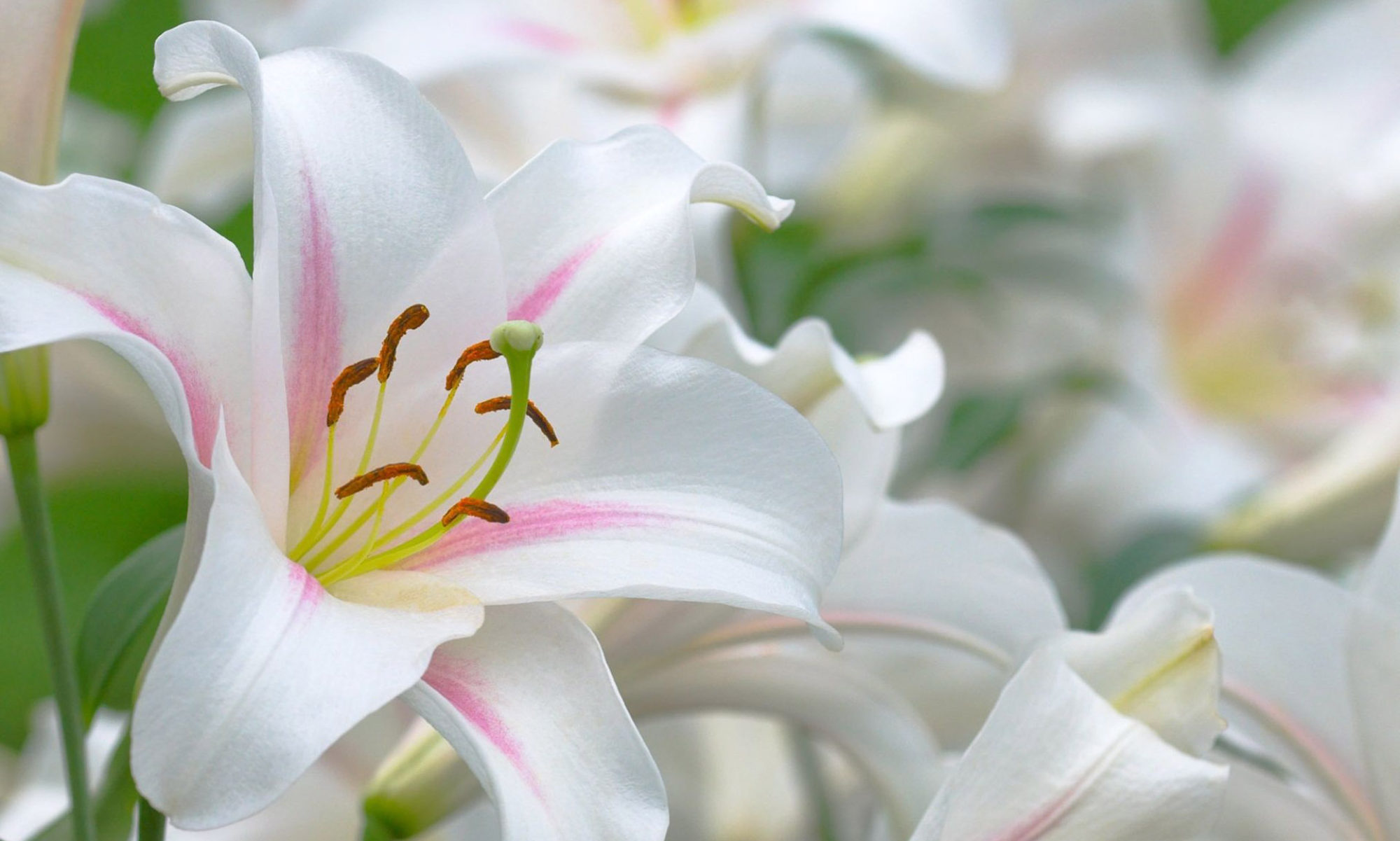
With the days now stretching noticeably longer and the sunlight growing ever stronger, all gardeners’ thoughts turn towards spring and the sweet joys of gardening.
Today, I’d like to share some inspirational quotes about gardening as we look forward to the warm months ahead . . .
(Photo courtesy of Jill Wellington on Pixabay)
In my garden there is a large place for sentiment. My garden of flowers is also my garden of thoughts and dreams. The thoughts grow as freely as the flowers, and the dreams are as beautiful. Abram L. Urban
(Photo courtesy of Dewdrop157 on Pixabay)
A garden is a grand teacher. It teaches patience and careful watchfulness; it teaches industry and thrift; above all, it teaches entire trust. Gertrude Jekyll
(Photo courtesy of Nile on Pixabay)
I have never had so many good ideas, day after day, as when I worked in the garden. John Erskine
(Photo courtesy of Pexels on Pixabay)
One of the most delightful things about a garden is the anticipation it provides. W.E. Johns
(Photo by Nancy Marie Allen)
An addiction to gardening is not all bad when you consider all the other choices in life. Cora Lea Bell
(Photo by Nancy Marie Allen)
Gardens and flowers have a way of bringing people together, drawing them from their homes. Clare Ansberry
(Photo by Nancy Marie Allen)
Flowers are the sweetest thing God ever made, and forgot to put a soul into. Henry Ward Beecher
(Photo courtesy of AsamiG on Pixabay
The greatest gift of the garden is the restoration of the five senses. Hanna Rion
(Photo courtesy of Anelka on Pixabay)
DISCLOSURE: This post contains affiliate links to the companies listed below. When you click through on a link and make a purchase, I may make a small commission at no additional cost to you. As an Amazon Associate, I earn from qualifying purchases. Thank You!
Many years ago while out on an early summer walk, I came across a fairy-tale garden of such enchanting beauty that it stopped me in my tracks.
Hollyhocks (Photo by Kirsten Riemer on Pixabay)
I vividly remember an abundance of towering multicolored hollyhocks and lavender spires of foxglove along with a supporting cast of many other vintage beauties, all combined in a seemingly random but oh-so visually pleasing way. As I stared in awe and admiration, I wondered what it was about this particular garden that spoke to me?
Foxglove (Photo by Holger Schue on Pixabay)
While taking in the beauty of those pleasing blooms, I experienced a wondrous feeling as though I had been transported to a long-ago place and time! In that serendipitous moment, I discovered the old-fashioned style that I wanted to recreate in my own flower beds, one that would connect me to beautiful gardens of the past.
Romantic Roses (Photo by Rebekka D on Pixabay)
An old-fashioned flower garden can include any mix of shrubs, perennials, biennials and annual flowers that have been grown for generations. Some of these plants may bring back fond memories of grandmother’s garden or have an association with a special event in our lives while others carry a delightful fragrance that we simply can’t live without. All are classic plants we’ve come to recognize as cherished old friends!
Fragrant Lilacs (Photo by Sofia Livarinen on Pixabay)
A good place to begin an old-fashioned garden is with some romantic shrubs. Lilacs, Hydrangeas and Vintage Roses are three classics that can create the backbone of your garden. Next, you’ll want to add perennials and biennials such as Bleeding Heart, Peonies, Violets, Lily of the Valley, Forget-Me-Not, Foxglove, Hollyhocks, Ladybells, Lavender and Columbine. Annuals will fill any blooming gaps with ongoing flower power, so be sure to add a variety for season-long color. Some great choices are Sweet Peas, Petunias, Cosmos, Four O’Clocks, Pansies, Marigolds, Zinnias and Heliotrope. If you like to get an early start on blooms, there are also many heirloom flower bulb varieties such as Snowdrops, Daffodils, Grape Hyacinth and Tulips that you can tuck in around your other plants.
Peonies (Photo by Jill Wellington on Pixabay)
The shrubs, plants and bulbs mentioned above are just a small sampling of what you can use to create your own old-fashioned garden. Whether you make it formal and structured or keep it casual and carefree, the only hard and fast rule here is to include plants that you love!
Lavender and Pollinators (Photo by Annette Meyer on Pixabay)
DISCLOSURE: This post contains affiliate links to the companies listed below. When you click through on a link and make a purchase, I may make a small commission at no additional cost to you. As an Amazon Associate, I earn from qualifying purchases. Thank You!
Ferns have a magical quality that enhances the look of other plants around them. When I gaze upon the lush fronds of ferns sharing a windowsill with blooming Phalaenopsis on a cold day in January, winter suddenly becomes a season to savor!
Ferns complement other plants (Photo by Nancy Marie Allen)
Ferns are ancient plants that conjure up images of luxuriant green growth in tropical jungles, rainforests and mossy forest floors like those of the Pacific Northwest. Several varieties are extremely hardy such as the Northern Maidenhair Fern which can survive the arctic temperatures of US Hardiness Zone 2 at minus 40 degrees, but those that grow in our homes prefer a much gentler environment.
Wild Ferns (Photo courtesy Albina02 Pixabay)
Did you know that Pteridomania or ‘fern fever’ was an actual craze in Victorian England? The Victorians were so enamored of ferns that whole expeditions were made to procure them in the wild, hunting some to near extinction! Ferneries or specialized greenhouses devoted to ferns were attached to many grand homes while elegant glass Wardian cases or early terrariums protected precious specimens in aristocratic parlors. Lush indoor ferns had become a status symbol!
If you’d like to learn more about fern fever, Sarah Whittingham has written a couple of fascinating books on the subject and I’ve included the links below.
A Victorian style tropical greenhouse (Photo courtesy Echo Wang Unsplash)
Along with other tropical plants such as palms, bromeliads and succulents, ferns are once again coming back into popularity as houseplants. Many people shy away from ferns, thinking they require too much coddling, especially during the winter months when the air in many homes can become excessively dry. Although it’s true that ferns prefer a humid environment over arid heated air, today’s blog will showcase four very different ferns that grow happily in my home with just a little extra attention to moisture.
Close-up of a fern frond (Photo courtesy 5598375 Pixabay)
So, how do I keep my ferns happy? Many fern enthusiasts advise placing humidifiers nearby and/or spritzing the plants with water a couple of times a day. Since I keep a lot of plants around and my house isn’t particularly dry, I don’t do either of those things but instead check the soil for dryness and water deeply a couple of times a week. By that, I mean filling the pot to the brim with room temperature water and then letting it drain thoroughly so that the plant doesn’t sit in leftover saucer water. Repeating this process a couple of times a week through the driest winter months helps my ferns stay well-hydrated and lush. During the warmer months, when humidity levels indoors are more comfortable, ferns require less pampering.
KOREAN ROCK FERN
The graceful fronds of a Korean Rock Fern (Photo by Nancy Marie Allen)
Introduced into this country via East Asian countries, the Korean Rock Fern now grows wild in some regions of Florida and Louisiana. So named because this fern likes growing in moist rocky areas, it also adapts well to being grown indoors in pots. An elegant and graceful plant, The Korean Rock Fern appreciates being kept evenly moist and prefers a home away from direct sunlight.
BIRD’S NEST FERN, CRISPY WAVE FERN
An exotic Crispy Wave Fern (Photo by Nancy Marie Allen)
The Bird’s Nest Fern grows in the wild as an epiphyte or plant that attaches itself to trees or other structures. The open center of the plant, where the new fronds emerge, gives the plant its nest-like appearance. Bird’s Nest Ferns are among those plants listed as natural air purifiers, helping to remove harmful particles from the air in our homes. There are many varieties, some with curly, wavy or crinkly leaves that give these plants a unique look in the world of ferns. Like most ferns, the Crispy Wave Fern appreciates being kept moist but will also tolerate periods of dryness without drooping. Low to medium light is best but more light actually enhances the decorative crinkling. Keep it out of direct sunlight, however, which will yellow the leaves.
RABBIT’S FOOT FERN, PAW FERN
Rabbit’s Foot Fern (Photo by Nancy Marie Allen)
The creeping, long, silvery haired rhizomes of the Rabbit’s Foot Fern make it look like a cross between a creature and a plant but the delicate fronds are distinctly fern-like in appearance. These exotic plants grow into stunning mature specimens that visitors cannot help but notice! They flourish with consistent moisture and bright indirect light.
PTERIS FERN, RIBBON FERN
This small Pteris Fern has a silvery variegation (Photo by Nancy Marie Allen)
If you’re up for a challenge, Pteris Ferns require a little more care than those mentioned above but their tropical beauty makes them well worth the effort. They are delicate plants in that the leaves can easily be bent or broken, so it’s best to keep them out of harm’s way where they won’t be brushed up against and damaged. Consistent moisture is the key to success with these ferns but they resent being waterlogged so don’t overdo it. If you’re fortunate to have a bright bathroom large enough to accommodate plants, the Pteris fern will happily thrive in that humid environment.
The center of a Bird’s Nest Fern with new fronds emerging (Photo by Nancy Marie Allen)
DISCLOSURE: This post contains affiliate links to the companies listed below. When you click through on a link and make a purchase, I may make a small commission at no additional cost to you. As an Amazon Associate, I earn from qualifying purchases. Thank You!
Succulents are all the rage these days and for good reason. By storing water in their leaves and stems, succulents are able to tolerate extended periods of dryness which makes them popular as low-maintenance houseplants. Many succulents are also super-hardy and perfect for growing outside in Northern gardens. Exotic and stunningly beautiful with a vast array of colors, textures, forms and flowers, they lend themselves easily to creating fantastic works of succulent plant art!
An outdoor succulent garden (Photo courtesy Yen Vu on Unsplash)
If you’re thinking about planting an outdoor succulent garden, look for tough varieties that will overwinter in your hardiness zone. Succulents love sunlight but too much hot sun can burn the leaves, so an area that receives some afternoon shade is best, even up North. Alternatively, growing hardy succulents in pots is a great way to familiarize yourself with different plant types on a smaller scale, and you can easily move the pots around during the growing season as the amount of sunlight they receive changes.
A variety of potted succulents (Photo courtesy Pixabay)
Although succulents are largely touted as ‘low-maintenance,’ that doesn’t mean ‘no maintenance’ for all plants depend on us to supply the conditions they need to thrive. But luckily for us, the needs of succulents are simple: They don’t like to be waterlogged so always plant in pots with good drainage holes, water only when dry, and use a fast-draining potting mix specially made for cactus and succulents. Before you jump in and buy a tray of assorted succulents, however, think carefully about the conditions in your home or garden and where you intend to grow them.
It’s easy to get creative with succulents (Photo courtesy Pixabay)
Since most of us won’t be able to plant outdoors for a few more months, today I’m going to focus on soft or tender succulents, those plants which have less cold tolerance and are better suited to growing in the comfortable warmth of our homes. If you have a south or west-facing window, you are fortunate indeed, because most succulents love and grow best with bright light. Give them your sunniest indoor spot for the best results!
ALOE, ALOE VERA
Aloe Vera plants can grow into impressive specimens (Photo by Nancy Marie Allen)
One of the most popular succulents by far is the classic AloeVera, a plant that boasts a healing gel contained in its thick leaves which can be used to soothe burns, cuts and skin irritations. For this reason alone, every home should have one, but these aloes are also strikingly attractive as they slowly grow into large vertical accent plants. If you’d prefer a shorter or more chunky variety to grow in a grouped planting, there are many different aloes to choose from, so go ahead and explore until you find the right one for you.
STRING OF PEARLS (SENECIO ROWLEYANUS)
String of Pearls is a little charmer (Photo by Nancy Marie Allen)
A small but versatile and easy-to-grow vine, String of Pearls is charming grown in a hanging pot where its tendrils of tiny round green pearls will cascade gracefully over the edge. It’s also a great succulent to use as a frilly skirt around the edge of bolder-leaved plants such as aloes or agaves and adds a waterfall of whimsey to potted succulent groupings.
FLAMING KATY (KALANCHOE BLOSSFELDIANA)
Flaming Katy blooms for weeks in winter (Photo by Nancy Marie Allen)
Kalanchoes are cheerful winter bloomers that fill the ‘thriller’ role by adding height and bright color to succulent groupings. They also look great on their own in brilliant shades of orange, red, yellow, pink and sparkling white. However you display them, these plants appreciate a warm room and your brightest window to encourage repeat flowering.
ELEPHANT BUSH (PORTULACARIA AFRA)
Elephant Bush is an unusual and colorful indoor succulent (Photo by Nancy Marie Allen)
In its native habitat of South Africa where elephants consider it a delicacy, Elephant Bush can grow to 20 feet, but placed on our windowsills with other succulents, these colorful plants are easily kept as multi-stemmed miniature bushes. The teardrop-shaped leaves tend to be small and sometimes variegated and the stems are usually a bright pink or red which complements other plant colors nearby.
BURRO’S TAIL (SEDUM MORGANIANUM)
Burro’s Tail adds a touch of softness to succulent groupings (Photo by Nancy Marie Allen)
Everyone loves the trailing and bushy Burro’s Tail for filling in around other plants where it will eventually cascade over the side. It also makes quite a specimen planted on its own in a hanging pot. With its plump frosted blue-green leaves and trailing stems, Burro’s Tail adds a softness that goes well with other pastel-colored succulents.
GHOST PLANT (GRAPTOPETALUM PARAGUAYENSE)
Ghost Plants have a unique pastel coloration (Photo courtesy Pixabay)
With a classic rosette shape, the Ghost Plant magically changes its subtle coloration depending on how much light it receives. Grown in our homes these plants usually tend to paler shades of pastel blue and silver with tinges of pink or purple. Ghost Plants also sport a waxy or frosty coating known as ‘farina’ which adds to their unique opalescent appearance. Perfect grouped with other rosette succulents or any of the plants mentioned above, they can also be grown singly to become large specimens, slowly spreading and producing more rosettes on trailing stems.
(Photo courtesy Silvia Agrasar on Unsplash)
The beauty of these succulents is that they can all be grown on their own in a single pot or grouped together in a larger pot, depending upon the space limitations and light conditions in your home. Before you begin, invest in a good succulent book for beginners, then start small with 3 to 6 plants from a reputable grower and learn about your succulents’ needs before moving on to more challenging varieties and/or creative projects. I’ve included some helpful links below to help you get started on your succulent journey!
DISCLOSURE: This post contains affiliate links to the companies listed below. When you click through on a link and make a purchase, I may make a small commission at no additional cost to you. As an Amazon Associate, I earn from qualifying purchases. Thank You!
January is garden reading month, that blissfully quiet time of year after the busy holidays and before the spring chores beg my attention. It’s a time of catalog browsing, planning and looking forward to the new planting season ahead. As the winter winds blow and snow piles up outside, grab a cozy afghan and comforting cup of tea and go digging through some inspirational books of the garden variety!
I love to create indoor gardens by grouping houseplants (Photo by Nancy Marie Allen)
While recovering from the flu over Christmas, I had a chance to check out some seriously enjoyable plant and garden-related books which I’m convinced helped me to feel better fast. Apparently, even just reading about gardening is good for one’s health!
Tiny succulent gardens take up little space and require minimal care (Photo by Nancy Marie Allen)
My latest plant obsession is the world of succulents and I just finished a few books I’d like to share with you. Succulents are amazingly tough houseplants that store water in their leaves and laugh at the dry winter air in our homes, making them perfect companions for those who frequently travel or just enjoy a busy lifestyle which doesn’t include coddling plants. There are also many hardy varieties of succulents that will easily fill our water-wise outdoor gardens and make colorful, artsy and unique containers! The following are great reads on the subject:
Designing with Succulents – Debra Lee Baldwin
Growing Succulents Indoors– Cassidy Tuttle
Essential Succulents: The Beginners Guide – Ken Shelf
DISCLOSURE: This post contains affiliate links to the companies listed below. When you click through on a link and make a purchase, I may make a small commission at no additional cost to you. As an Amazon Associate, I earn from qualifying purchases. Thank You!
Ferns enjoying soft winter sunlight (Photo by Nancy Marie Allen)
I’m passionate about my houseplants and have quite a large collection of green friends who share my home and every available ray of sunlight. From begonias and delicate-looking ferns to flowering orchids and amaryllis, they delight me with their beauty all year but most especially during the long winter months. Over the years I’ve read many books on houseplants but those written by Tovah Martin are amongst my favorites and include:
The Indestructible Houseplant
The Unexpected Houseplant
Well-Clad Windowsills
There’s no doubt that gardening enriches our lives in countless ways but there are so many books on the subject that sometimes it’s overwhelming to wade through them all. Whether you’re new to gardening or an old veteran, I suggest looking for a specific topic or garden style that’s dear to your heart such as organic vegetable gardening, xeriscaping, growing herbs, native plants and/or pollinator gardens. If you don’t have access to a garden or perhaps have physical limitations that would make digging in the dirt difficult, how about exploring containers or windowsill gardening? No matter what your situation, there’s a gardening book for everyone, so go ahead and explore something new!
Succulents make unique containers (Photo by Nancy Marie Allen, courtesy Coastal Maine Botanical Gardens)
Some excellent general gardening books include:
Gardening Without Work – Ruth Stout
The VegetableGardener’s Container Bible – Edward C Smith
Rodale’s No-Fail Flower Garden – Rodale Press
Hardy Succulents – Gwen Moore Kelaidis
I hope you’ll take advantage of these peaceful winter days and soak up some good gardening vibes through the pages of a book. There is always something new to learn and winter is the perfect time for reading!
For so many of us, Thanksgiving and Christmas are a time of reflecting on our many blessings! As I gather with family and friends this season, I’m reminded how it’s the little things that truly matter in life, for they bring us the most heartfelt joy and contentment.
A peaceful autumn scene
Over the past year, I’ve captured many magical moments in photographs. Come with me on a visual journey as I work my way back through the months and give thanks for all that has brought me to this place of gratitude!
The last Monarch of the season
Whether walking in the woods or tending my gardens, I am always close to nature and continually awestruck by her infinite beauty. It seems that every day there is something new to surprise me! On a late October afternoon, a Monarch butterfly was the last thing I expected to see but my bright orange zinnias drew her to the garden for a final visit.
A Barred Owl took up residence in the yard this summer
Birds, bees, butterflies and other creatures are my constant outdoor companions, but catching them with the camera is not always easy! The photo of the owl was taken one early summer morning when all was quiet and still. I had taken my cup of coffee out on the deck where I stood enjoying the peaceful scene. The slightest movement suddenly caught my eye and there it was! Spotting the large bird sitting in a nearby tree, I had to quietly (and quickly!) rush back inside to grab my camera. When I returned, the owl remained perched on the branch and graciously posed for me!
Hummingbirds are frequent garden visitors
Hummingbirds seem to be everywhere you look during the warm summer months, but their quick darting movements make them difficult to capture in a photo. Flowers, however, are always happy to present themselves in stunning stillness.
Daylily ‘Lady Elizabeth’ is a regal July beauty
There is nothing that feeds my soul like my beautiful flower gardens. I live for the divine thrill of watching buds open! Even though many of my plants and shrubs are old friends, the pleasure I find in gazing upon each fresh bloom never gets old. Every year brings more botanical surprises to delight my eyes as the gardens change anew.
May blooms opening to the sun
As the first snowdrops push through the snow, their tiny white flowers opening to the warmth of the early spring sun, I’m once again struck by the power of rebirth and the circle of life. In spring, the earth is born again and I with it!
Spring blooming bulbs always bring a smile to my face
Today, I give thanks for all the little things that bring me joy, for those special moments that make up each day of my life and for the unconditional love of family and friends that sustains me. There is so much to be grateful for!
No season is without beauty and inspiration
All photos by Nancy Marie Allen
DISCLOSURE: This post contains affiliate links to the companies listed below. When you click through on a link and make a purchase, I may make a small commission at no additional cost to you. As an Amazon Associate, I earn from qualifying purchases. Thank You!
Winter interest in the yard and garden can be many things. For some, it’s as simple as a piece of standing sculpture, an archway or a birdbath decorated with evergreens. For others, it can be rugged conifers or bare trees with striking bark or branch patterns. Left standing in the garden, dried flowers, seed heads, pods and tall grasses add drama when they catch the first snow. Creating interest is all about drawing our winter-weary eyes to something beautiful in the landscape, but many of the plants and shrubs we grow can also be used in crafting wreaths, swags and seasonal arrangements.
Dogwood branches and berries in holiday arrangements (Photo by Proven Winners)
I’m fortunate to have quite a bit of winter greenery around my yard. There are several large rhododendrons, mountain laurel and andromeda shrubs. Hemlocks and Eastern white pines grow everywhere and range from huge trees towering in height to round little youngsters just filling out and perfectly sized for outdoor pots. I use the evergreen branches of all of these for fresh holiday decorations; but next year I’d like to add some bright colors to my winter landscape, not only to create more interest outdoors but to add some excitement indoors as well.
Dried astilbe flowers and winterberry sprigs in a simple potted arrangement (Photo by Nancy Marie Allen)
Since deer love to browse on holly in my area, I have to look elsewhere for those bright pops of color. One hardy native shrub that is deer-resistant and produces abundant berries is the deciduous holly, ilex verticillata, commonly known as Winterberry. Some varieties to consider are ‘Berry Heavy’ and ‘Berry Heavy Gold’ which grow to about six feet or ‘Berry Poppins’ which grows to about four feet tall. These female winterberries need a male pollinator such as ‘Mr. Poppins’ planted nearby to ensure lots of colorful berries come fall.
‘Berry Heavy Gold’ (Photo by Proven Winners)
Native to North America and deer-resistant, dogwoods make a bold statement in the winter landscape. Red-twig dogwood ‘Arctic Fire’ is another deciduous shrub whose stems turn a fiery red in fall and winter. Its cousin, cornussanguinea ‘Arctic Sun,’ produces stems in shades of coral, orange and gold. These remarkably bright shrubs actually benefit from the yearly pruning that takes place when we gather their branches for holiday decor. Super hardy, they’re also tolerant of some shade and a wide range of soils. They also easily fit into smaller yards and gardens at three to five feet tall.
Cornus ‘Arctic Sun’ (Photo by White Flower Farm)
Evergreen Pieris or Lily of the Valley Shrub is one of my winter favorites and a new kid on the block has recently caught my eye. Becoming available from Proven Winners in 2020, ‘Interstella’ is described as a compact variety that blooms in late winter with abundant dark pink dangling flowers. ‘Interstella’ is also deer-resistant, very shade tolerant and hardy to zone 5. If you’d like to learn more about growing Pieris, check out my earlier blog https://nancymarieallen.com/pieris-a-shrub-for-all-seasons.
‘Interstella’ Lily of the Valley Shrub is a late winter beauty! (Photo by Proven Winners)
These are only a small sampling of the many varieties of plants and shrubs that can brighten our winters inside and out with their beauty. I’m looking forward to adding a few to my own yard this spring and hope I’ve inspired you to do the same!
The dangling flower buds and shiny leaves of this old-variety Japanese Pieris are stunning combined with other greens in holiday arrangements (Photo by Nancy Marie Allen)
DISCLOSURE: This post contains affiliate links to the companies listed below. When you click through on a link and make a purchase, I may make a small commission at no additional cost to you. As an Amazon Associate, I earn from qualifying purchases. Thank You!
According to the Collins English Dictionary, nesting is defined as “the tendency to arrange one’s immediate surroundings to create a place where one feels secure, comfortable, or in control,” and there is no other month that brings on the nesting urge like November.
The welcoming light of home on a cold day (Photo by Alicia Slough on Unsplash)
For me, nesting comes about once the fall weather has turned cold enough to make staying indoors seem like a really good idea! But it’s not an easy transition for this garden-loving gal who, during warmer months, spends as much time as possible outdoors in the fresh air and sunshine. Still, every year at this time, when the last pile of compost has been spread over the soil and the gardens have finally been put to bed for the winter, I turn towards the warmth and comfort of home.
A vintage table scarf and Mom’s hand-crocheted afghan warm the room (Photo by Nancy Marie Allen)
To help me ease back into life indoors, I like to fluff my winter nest to create a feeling that’s inviting, warm and comfortable. November sunlight bathes my living room in its golden rays and I like decorating with dried hydrangeas, crocheted afghans and vintage table scarves to enhance the cozy ambiance. Home-grown gourds and little pumpkins now adorn the mantel. To complete the look, wood is stacked by the fireplace which becomes the hub of our winter home, warming our hearts and bodies on cold nights.
The delights of autumn baking (Photo by Dilyara Garifullina on Unsplash)
The kitchen calls to me as I turn once again to making favorite comfort foods. Homemade bread, hearty soups and stews, baked yams and winter squash become part of our routine fare. I slide an apple crisp into the oven and the house fills with the tantalizing scent of cinnamon and baked apples. It’s such a pleasure to cook this time of year for the rich flavors of fall and winter foods are by far the most satisfying and heartwarming!
Houseplants enjoying some afternoon sun (Photo by Nancy Marie Allen)
I miss my gardens in the winter, so I enjoy caring for many different types of houseplants. Situated near any available sunlight, I create small green spaces to nurture me through the darker months ahead. Winter flowering plants are the most uplifting as they cheer me with their summery blooms. Plants add life and beauty to our home and even the smallest room can accommodate at least one. Without houseplants, life in winter would be very dull indeed!
A small group of plants on our side table (Photo by Nancy Marie Allen)
By filling my nest and surrounding myself with all the things that bring me comfort and joy such as cherished family objects, satisfying homemade meals, and happy green plants, I’m ready to face whatever winter brings!
DISCLOSURE: This post contains affiliate links to the companies listed below. When you click through on a link and make a purchase, I may make a small commission at no additional cost to you. As an Amazon Associate, I earn from qualifying purchases. Thank You!
Walking by my neighbors’ home this week, my eye was drawn to some striking fall color in their flower garden. Inspired by this unexpected beauty, I decided to take a few photos of my own perennials in their final autumn glory.
Many garden plants echo the golds and reds found in the trees around us, but there are also shades of bright chartreuse, copper, bronze and purple.
‘Monsieur Jules Elie’ Peony celebrates fall with bright green, copper-kissed foliage
My humble blue balloon flower, a quiet presence in the summer, becomes one of the most striking plants in the fall garden as its foliage turns to shades of maroon, bronze and gold.
Platycodon grandiflorus, the common balloon flower, dressed in fall colors
Tall perennial grasses become the focal point of many autumn gardens! The little bluestem pictured below is one plant that manages to encompass all the colors of fall.
Perennial Grass ‘Twilight Zone’ is a festival of fall colors
In the herb garden, silvery Berggarten Sage becomes even more attractive in the cooler days of fall.
Berggarten Sage really stands out in the fall garden
Variegated Solomon’s Seal is a popular shade plant known for its white-edged green leaves. By October, however, it transforms itself into one of the brightest spots in the garden with sunny yellow foliage.
The bright yellow foliage of Variegated Solomon’s Seal complements the cool blue of nearby Lamb’s Ears
The common hosta is another plant that ages gracefully, many turning bright gold before dying back to the ground!
A large blue-leaved hosta is boldly rimmed in gold
Penstemon is a hardy perennial plant well worth growing for its brilliant fall foliage alone!
Penstemon ‘Dark Towers’ is striking in rich shades of purple and green
Last but not least are the many native ferns slowly aging to the softest autumn gold.
Native ferns have a delicate fall beauty all their own
Here in New England, we are blessed with some of the most breathtaking fall foliage color in the country, perhaps even the world! As we drive or walk the country roads around us, our eyes are constantly being drawn upwards and onwards toward the trees. But closer to the ground and right in our own gardens, another fall foliage party is quietly taking place and it’s one that shouldn’t be missed!
This beautiful autumn scene is right next door to our property
All photos above taken by Nancy Marie Allen
DISCLOSURE: This post contains affiliate links to the companies listed below. When you click through on a link and make a purchase, I may make a small commission at no additional cost to you. As an Amazon Associate, I earn from qualifying purchases. Thank You!
For a great selection of gardening magazines and more: Magazine-Agent.com
We’re now past mid-October and have suffered several nights near freezing here in Northeastern Massachusetts. As I walk around the yard and look at the gardens, most of my late-blooming perennials have already called it quits and are bedding down for the winter under a soft blanket of leaves. But wait! Amazingly, there are still some plants blooming, and even more amazing is that they’re all tender annuals!
Tall salvia ‘Rockin Deep Purple’ was a great companion to my large perennials (Photo by Nancy Marie Allen)
Annuals are plants that are not hardy enough to survive New England winters but even though they are short-lived, many are happy to spread their seeds around, so watch for little volunteers come spring. Unlike perennial plants that return year after year, annuals have one season of life but, boy, do they make the best of it in terms of flower power!
A border of Marigolds still going strong in mid-October (Photo by Nancy Marie Allen)
Strongly scented MARIGOLDS are classic cottage garden plants and I’ve grown them every year since I started gardening! Their cheerful blooms can be open discs, prettily ruffled posies or rounded powder puffs in colors that range from white and yellow to dark red and even bicolors. Marigolds are reputed to repel pests in the vegetable garden such as root-devouring nematodes and tomato hornworms as well as rabbits and deer. They also attract beneficial insects such as bees, butterflies and tiny wasps.
Butterflies can’t resist Marigolds (Photo by Nancy Marie Allen)
Annual sage or SALVIA is another long bloomer that comes in colors ranging from white, pink, red and blue to the deepest purple. Although many are in the 12 to 18-inch height range, perfect for pots and the front of the border, some can grow to an impressive 40 inches. You can learn more about the striking salvias I grew this summer in my blog A Tale of Three Salvias but let me just say that as of today all three are still a strong presence in the garden.
Autumn vignette with Salvias, Zinnias, Lamb’s Ears, Solomon’s Seal and Asters (Photo by Nancy Marie Allen)
Sun-loving ZINNIAS are prolific bloomers that come in a huge array of sizes, colors, and flower shapes. In my Zone 6 garden, zinnias can be slow growers until the weather really heats up in July but, once they get going, they’re unstoppable. This year I planted zinnias from the aptly named ‘Profusion’ series and was very pleased with their vigorous habit and abundance of blooms. Heat, drought and mildew resistant, these zinnias are extremely long-lasting in the garden as well as in bouquets, and every garden should include some of these beauties!
Zinnias love a warm, sunny site (Photo by Nancy Marie Allen)
EUPHORBIAS are not as well known as other annuals but have become more popular in recent years. ‘Diamond Frost’ and ‘Diamond Mountain’ are two varieties that don’t disappoint in their vigor and resistance to disease, heat, drought and even cold. Their delicate appearance belies an extremely tough constitution! The tiny white flowers are produced in abundant sprays all season long and create a cloud of sparkling blooms that contrast nicely with other plants. I like to use euphorbias as an edging to flower beds, as a filler in pots, or as an accent next to bolder leaved companions such as lavender or yucca.
Euphorbia ‘Diamond Mountain’ adds a sparkle of soft white to the garden (Photo by Nancy Marie Allen)
Old-fashioned NASTURTIUMS bloom in colors ranging from the softest creamy white to the darkest red. They vary in habit from well-behaved bedding plants to large rambling or climbing vines, but they all sport rounded blue-green leaves and vivid flowers shaped like a woodland fairy’s cap. Nasturtiums grow best in full sun but they don’t like the intense heat of summer, preferring the cooler days of late spring and fall. Easy to grow from seed once the soil has warmed up, make sure to place them where you want them to stay since nasturtiums resent being moved. In fact, they seem to thrive on neglect, so it’s best to plant them and forget them, then sit back and enjoy the show!
Nasturtium ‘Empress of India’ with ferns (Photo by Nancy Marie Allen)
These are just a few of the many beautiful annuals available to gardeners every year. This spring, find colors that you love, mix and match with perennials, and plant with abandon for non-stop blooms!
DISCLOSURE: This post contains affiliate links to the companies listed below. When you click through on a link and make a purchase, I may make a small commission at no additional cost to you. As an Amazon Associate, I earn from qualifying purchases. Thank You!