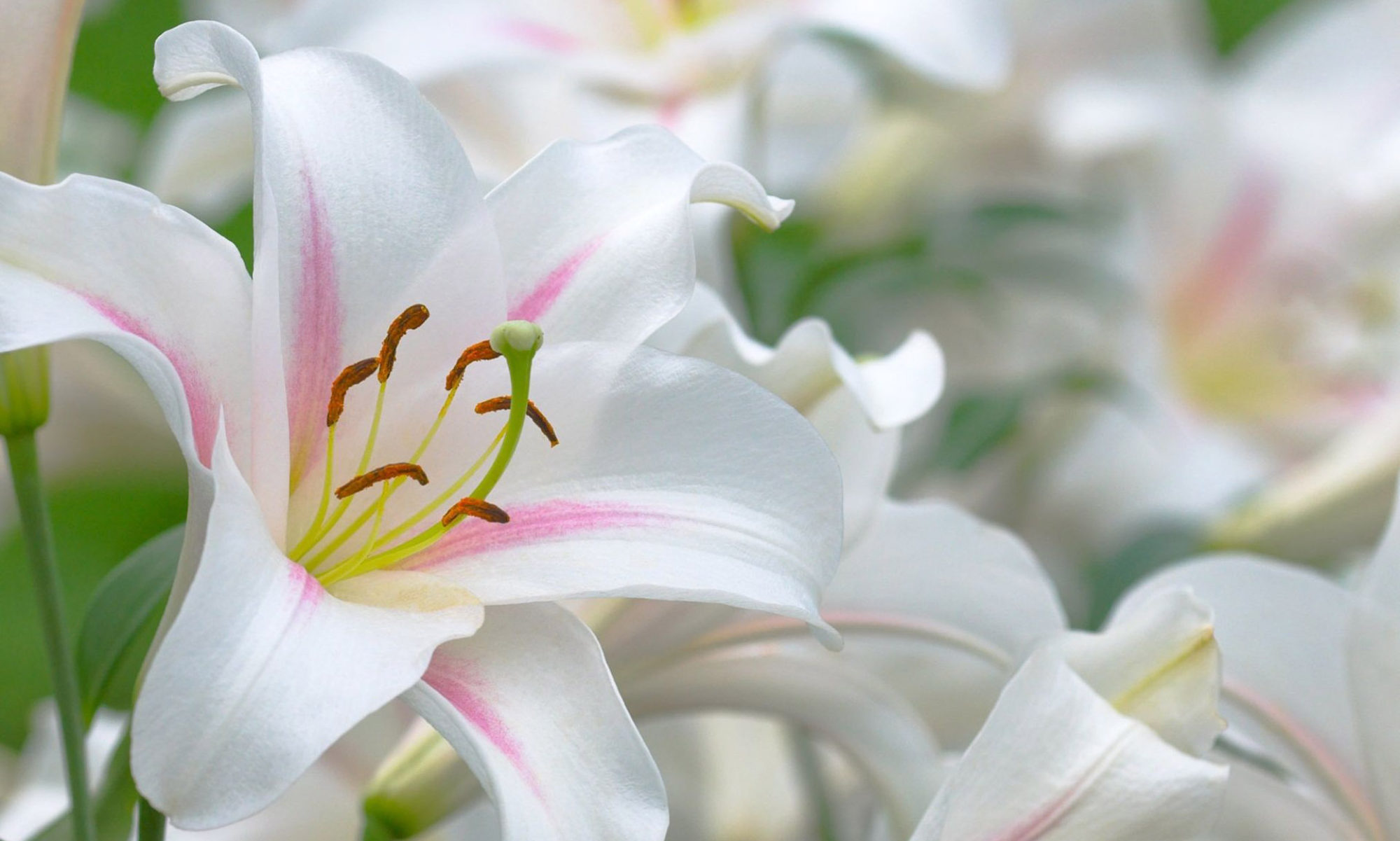
Gardens Lost and Found

I have always lived with gardens and throughout my life I’ve enjoyed an ongoing series of gardens lost and found.

Bond Street
My childhood home had a large enclosed back yard and garden (Old Photo)

The earliest memories of my childhood home revolve around the large perennial garden my mother tended in our backyard.  Most of the plants had been growing there for years before our family moved in but my mother happily adopted them as well as adding many of her favorites including Lupine.  My father loved planting vegetables such as green beans and tomatoes in another small garden patch.  A row of large hostas that he planted in the front of the house survive to this day and still bloom every September, almost 66 years later!  In addition, we had fragrant white and purple lilacs growing by the back porch and a pink rhododendron that grew so large it was the envy of the neighborhood!  I can see my parents even now, planting and picking flowers and vegetables, cherishing every minute while they worked their own little bit of heaven on earth!

Old Garden 6
Some garden magic – a robin’s nest hidden in a clematis vine (Photo by Walter Allen)

When my first husband and I bought a house in the same seaside town, it wasn’t long before we started gardens of our own.  The yard was small but we used all the available space to create a vegetable garden and several little flower gardens.  It was here that I first started planting bulbs and roses, squeezing in more and more plants every year.  Although I took pleasure in other hobbies, gardening had become my first love and there was nothing I enjoyed more!

15 Revere Street
Our first home and yard were small but we still had gardens (Photo courtesy Realtor.com)

Twenty years later I moved with my second husband to another town about 25 miles from the coast.  This was a very different setting with two acres of heavily wooded land and lots of room for gardens!  We created a large, fenced-in area for growing vegetables but, over the years, I filled it with flowers and shrubs as well.  Rubbing shoulders with the vegetables were lilacs, hydrangeas, roses, peonies, clematis, and honeysuckle.  An asparagus patch filled one end of the garden while a pea trellis and tomato stakes dominated the space at the opposite end.  The center was filled with nasturtiums, herbs, kale, zucchini, and eggplant amongst others.  Even though the surrounding tall trees cast afternoon shadows, the garden had enough sunlight for the plants to flourish and was a sight to behold in high summer!

Boxford
Our new home had space for lots of gardens, front and back (Photo by Walter Allen)

We continued to live in garden bliss until, late in the summer of 2016, disaster struck in the form of a new septic system.  The old system dated back to 1964 and was literally crumbling in upon itself.  It had to be replaced but doing so also meant digging up the entire back yard with our beloved vegetable garden situated in the exact center!

Old Garden 5
Chickadees nesting on the garden pea trellis in early May (Photo by Walter Allen)

In the brief window of time before the work started, we managed to save many perennials by potting them up.  Briefly, we thought of saving the shrubs we had lovingly cared for.  I say “briefly” because the sheer effort and cost involved in digging up and relocating each mature shrub was daunting and more than we could handle.  Sadly, I had to face the fact that many of my garden plants were soon to become casualties of war.  When the heavy equipment rolled into the yard and we were left with a huge gaping hole, I mourned that garden like the loss of an old friend!

Old Garden 3
The old garden was carpeted with salt hay and had plenty of room (Photo by Walter Allen)

Because I simply cannot live without a garden, you might have guessed there’s a happy ending to my tale.  The following spring my husband and I began a new garden to take the old one’s place.  Wisely deciding against building atop the new septic system, we chose a narrow but sunny site next to our kitchen.  I was able to replant the saved perennials in one area while still leaving plenty of space for a few favorite vegetables.  The overall garden space was much smaller but provided easier access right off our kitchen deck; it would also be much more manageable in size for us aging Boomers.

Boxford Back Yard
Garden gone – nothing but a lawn is left of our previous vegetable garden (Photo by Walter Allen)

This year I will begin replacing some of those wonderful shrubs that once filled our yard.  I’ve already ordered Hydrangea paniculata “Little Lime,” Honeysuckle “Gold Flame,” and Rose “Coral Cove.”  These smaller-sized shrubs won’t dwarf the new garden and will add color and texture all season.  What was once lost will be found again.  I just can’t wait to get planting!

Veggie Garden August 2018
Our new vegetable garden last July (Photo by Nancy Marie Allen)

DISCLOSURE: This post contains affiliate links to the companies listed below. When you click through on a link and make a purchase, I may make a small commission at no additional cost to you. As an Amazon Associate, I earn from qualifying purchases. Thank You! 

The Gift of Time

Lately, I’ve been thinking a lot about time and the power it wields over us.  We can’t feel or see time; it’s intangible and formless, yet it defines our lives.

man and child walking near bushes during daytime
Photo by freestocks.org on Pexels.com

We all share universal phrases about time:  What time is it?  Is there enough time?  It’s time for a change.  I’ll get to it when I have time.  Time for bed.  Time to go to work.  Look at the time!  Time’s running out . . .

And it’s that last one that scares us the most.  As we age into our 60’s and beyond, is there anyone amongst us who doesn’t think about how much time we have left?  Like my husband is fond of saying, “There’s more sand now at the bottom of the hourglass than at the top.”  Time is outside of our control; we are forced to continually move forward in time knowing there are no brakes we can apply to stop it!

shallow focus of clear hourglass
Photo by Jordan Benton on Pexels.com

It frightens us to think about running out of time because when our time ends, we end – at least in the physical sense.  But what happens after our time on earth ends?  Many of us believe there is something more on the other side, an afterlife free of pain and suffering, an afterlife free of the constraints of time!

angel art black and white clouds
Photo by Pixabay on Pexels.com

But what can we do right now to make the best of our time here on earth?  As we grow older, our priorities change because the time we have left becomes so very precious.  As the sand of life slips through the hourglass, how will we spend that remaining time?

close up of tree against sky
Photo by Pixabay on Pexels.com

In retirement, I’ve made a choice to enjoy my remaining time by doing what I love but also by giving and receiving love.  Love empowers us; the more love we give, the more we receive and the more fulfilled our lives become.  Love is really our only weapon against the ravages of time for love transcends time, making life worth living!

baby child father fingers
Photo by Pixabay on Pexels.com

Although it’s become a cliche to “live in the moment,” the present is all we really have.  By opening our hearts to love each day, we can alter our perception of time and maybe even learn to finally embrace it as the priceless gift it truly is!

DISCLOSURE: This post contains affiliate links to the companies listed below. When you click through on a link and make a purchase, I may make a small commission at no additional cost to you. As an Amazon Associate, I earn from qualifying purchases. Thank You! 

Winter Houseplant Spa

SET A DATE FOR HOUSEPLANT PAMPERING

Late winter is the perfect time to treat your houseplants to a rejuvenating “spa” day.  Just like us, plants get winter-weary and experience their own form of cabin fever.  Many were brought back into the house last autumn after a luxurious, moisture-laden summer vacation and for months now they’ve survived with little natural light, no fertilizer, and desert-dry heated air – not exactly favorable conditions for most plants.  By February, your houseplants are ready for some serious pampering.

PLUMP THEM UP WITH HYDRATION

The first step toward rejuvenation is to thoroughly wash and rehydrate your plants while trying to emulate a soaking summer shower.  Small plants can easily be brought to the kitchen sink where the leaves should be gently but thoroughly sprayed with tepid water, top and bottom, washing off winter dust and grime, while larger plants can be placed in the shower or tub.  If you have any plants that are too large to move, simply clean each leaf with a damp cloth.  Take the time to inspect each plant for insects or disease and remove any dead foliage.  While you’re at it, scrub the pots and saucers clean of any dirt or slime.  After the leaves are clean, wet the soil (again with tepid water) until the pot is heavy and you can see water draining from the bottom.  Alternatively, you can soak the pots in a water-filled sink or tub for an hour; just fill to cover about 3/4 of the pot size.  In either case, it’s important to let all the excess water drain away from the plants so that the soil doesn’t become soggy.  Remember, you want to hydrate, not drown!

beck-house-plant-bath-720px
Houseplant Bath (Photo courtesy Fafard Container Gardening Archives )

TIME FOR A HEALTHY SNACK

Once your plants have been sufficiently hydrated, you may want to start fertilizing again.  I always stop fertilizing in October and let my plants “rest” during the darkest months when growth slows to a crawl.  By mid-February, however, the days are growing longer and that extra light translates into growth triggers for many plants.  After a long winter’s fast, they’re ready to begin feeding again.  I prefer to use a gentle organic fertilizer for my houseplants, like Neptune’s Harvest; the seaweed formula is much less fragrant and therefore better suited to indoor use.  Begin a regular feeding schedule but don’t overdo it – think of fertilizer as a healthy snack rather than a six-course meal!

Watering Plants Business Insider

DECISION-MAKING TIME

Now is also the perfect time to take a serious look at your houseplants.  Are there any that need a larger or smaller pot?  Are there some that are diseased or just doing poorly?  Decide what needs repotting in fresh soil and what should be (dare I say it!) discarded.  It’s also a good time to begin stem or leaf cuttings from your favorites that you can later share with friends.

heart leafed philodendron
Heart-leafed Philodendron roots easily in water (Photo by Nancy Marie Allen)

REPOT OR NOT?

When repotting, you can use a good quality all-purpose soil for most houseplants but you can also choose a potting soil specific to a certain plant type such as African violet soil or orchid mix.  Bear in mind that plants perform better in the type of soil they prefer.  Another important point is to choose the right size pot for your plant and this can be a little more tricky since some plants like to be potbound while others have roots that spread rampantly to fill any space.  You may have to do a little internet research for your specific plants but the effort is well worth it; after all, they’ll be living in this environment for a long time and the right conditions can make the difference between thriving and just surviving!

person holding green cactus on pot
Repotting Plants for Spring (Photo by rawpixel.com on Pexels.com)

MOVE THEM AROUND

Now that your plants have been rehydrated, fed or repotted with fresh soil, make sure you place them back into the best light conditions possible, remembering that this time of year the light is growing stronger daily.  Orchids tend to burn easily in the bright sunshine of spring so you may want to back them off a little from the ever-strengthening daylight while any potted herbs will be happy to fill that sun-drenched spot.  Sometimes just moving a plant to a different location will give it a new lease on life.


Amaryllis and Orchids 2

Orchids appreciate filtered spring sunlight (Photo by Nancy Marie Allen)

ENJOY A LITTLE TENDER LOVING CARE

Just as the seasons change outside, conditions inside our homes do, too, so it’s important that we take a little extra care during the year to keep our houseplants happy.  All plants love the attention given during a spa day and will respond almost immediately with uplifted foliage and new vigor, looking fabulous again!  And now that you’ve finished properly pampering your plants, how about that fragrant Epsom salt soak by candlelight for yourself?

Rabbit's Foot Fern
Rabbit’s Foot Fern looks revitalized after a good soaking (Photo by Nancy Marie Allen)

DISCLOSURE: This post contains affiliate links to the companies listed below. When you click through on a link and make a purchase, I may make a small commission at no additional cost to you. As an Amazon Associate, I earn from qualifying purchases. Thank You! 

February Awakenings

Although the year is divided into four neat segments, there are many seasons within seasons and winter is no exception.  Many people would like to skip over winter altogether, but it’s the one season when we’re most likely to appreciate those subtle natural shifts and awakenings taking place around us.  Today on my walk I noted some of these interseasonal changes due to the unusually warm temperatures we’re experiencing this week in the Northeast.  With the snow and ice leftover from our last storm furiously melting, I found some photo opportunities that otherwise might have been missed.

Mill 2-4-2019
The Mill in Early February (Photo by Nancy Marie Allen)

It’s hard for me to resist taking photos of the mill pond next to our property; no matter what the season, it’s always captivating!  There are still large chunks of bluish ice, but you can see that water is flowing freely over the little waterfall and rushing to fill the pond below.  In the foreground, red maple buds are already swelling with life, reminding us that spring can’t be far away.

rhodie buds 2-4-2019
Rhododendron Buds (Photo by Nancy Marie Allen)

Rhododendron buds are also getting fat in anticipation of their May blooming, while in the still sleeping perennial garden, clumps of Irish moss appear once again between the stepping stones, sporting straggly coats of bright Kelly green.  In the warmer weeks ahead this moss will spread to fill in any gaps, creating a lush carpet underfoot.

Irish Moss 2-4-2019
Irish Moss (Photo by Nancy Marie Allen)

I can hear more rushing water as I stroll by another small stream weaving its way into the woods.  There’s another sound, too, breaking the winter silence.  The birds, awakening from the cold, are singing and flitting from tree to tree.  They simply cannot contain their happiness over the spring-like warmth and are celebrating their good fortune!

Ice Melt II 2-4-2019
A Meandering Woodland Stream (Photo by Nancy Marie Allen)

It’s only early February but there are already many signs of the earth awakening and readying itself for the coming of spring.  Now that I’m retired I have the time to enjoy these seasonal changes on a weekly, if not daily, basis.  There is always something in the natural world to take note of and be astounded by, all of those tiny changes that move us quietly but steadily onward.

Lichen 2-4-2019
Winter Lichen (Photo by Nancy Marie Allen)

Lichen is one of those amazing life forms that moves so secretly and slowly that few take notice, yet its many forms and colors create natural works of great beauty; the ubiquitous rock walls of my native Massachusetts are liberally covered with them.  One can easily miss this in other seasons, but in the starkness of winter, any green growth begs our attention and reminds us that life goes on.

chickadee peter-lewis-491699-unsplash
Black-capped Chickadee (Photo by Peter Lewis, Unsplash)

In the meteorological world, spring begins on March 1st.  The few short weeks between February and March bring about great changes as the earth prepares once again for rebirth.  By getting outdoors and taking the time to observe the natural world around us, we can find those seasons within seasons and take joy in witnessing the wondrous awakenings of life!

DISCLOSURE: This post contains affiliate links to the companies listed below. When you click through on a link and make a purchase, I may make a small commission at no additional cost to you. As an Amazon Associate, I earn from qualifying purchases. Thank You! 

Garden Dreams

Winter is garden planning season, that precious window of time after the bustle of the holidays and well before the first spring plantings.  It’s a quiet time of year when I easily find myself fantasizing over this year’s garden.  Of course, the fantasy and reality of my garden experience are two very different things, but that doesn’t discourage me in the least.  Over the course of many long winters, I still remain a hostage of my garden dreams.

upside down photo of a woman
Photo by Criativithy on Pexels.com

If I could choose the perfect place to bask in warmth, beauty, and peace, it wouldn’t be a tropical island.  For me, the ultimate vacation is in my mind, where I wander blissfully amongst all my favorite flowering friends.  In my garden dreams, the sun is always shining but it’s never too hot or humid, and all the plants are glowing with health and vigor.  Everything is blooming and fruiting, all at once, for there are no boundaries of seasons here; there’s only the magical garden of continuous bloom – my fantasy Eden!

beach hat beautiful book child
Photo by Pixabay on Pexels.com

If I didn’t have my garden dreams to hold onto, I doubt any real gardening would ever take place because, once spring arrives, there’s a continuous battle going on just outside my back door.  Last year alone, I struggled with voracious deer, rabbits, and voles, all of whom consider my garden a five-star restaurant.  Insects also do their share of damage, leaving once beautiful plants shredded, their colorful blooms in tatters, while mysterious blights and fungi turn fruits black with rot.  The harsh reality of gardening is that all the life forms in your neighborhood are looking for a good meal and you’ve just set a welcoming table!

pink petaled flowers
Photo by Asad Nazir on Pexels.com

In spite of the many setbacks and losses I experience every year in the garden, I soldier on and take heart in the battles won!  By late July, most of the vegetable plants have grown quite large and vigorous, thus better able to fend off any four-legged ambushes.  Beneficial insects flock to the echinacea, coreopsis, phlox, and catmint, waging their own quiet war on my behalf.  The worst of the garden assaults are over and the survivors have rallied; the garden is buzzing with life!

brown moth hovering over purple flower
Photo by David Bartus on Pexels.com

For avid gardeners like myself, one of the greatest pleasures in life is seeing the garden not only survive but come to exuberant fruition.  It’s at this point that I realize all my efforts have been worth it and, once again, I’ve made that marvelous journey from the winter dream to the thriving garden itself!

DISCLOSURE: This post contains affiliate links to the companies listed below. When you click through on a link and make a purchase, I may make a small commission at no additional cost to you. As an Amazon Associate, I earn from qualifying purchases. Thank You! 

Snow Days

If you live in a northern clime where winter snow is a regular occurrence, then you already know the special joy of snow days.

adult blur close up cold
Photo by Brigitte Tohm on Pexels.com

For those not familiar with this phenomenon, snow days are the storm cancellation days when schools, churches, and many businesses make the choice to close for the day.  For some, it’s an easy decision, such as schools closing to keep children out of harm’s way and school-related traffic off of roads.  For others, such as businesses, it’s often a money-losing decision but one that has to be made, like it or not, when the weather gets serious out there and driving becomes downright dangerous.

photo of girl beside a huge snowman
Photo by Sarah Jane on Pexels.com

Of course, what people consider serious weather isn’t always the same.  A snowstorm in Virginia, for instance, feels a lot more threatening than a storm in New Hampshire or Maine where people are used to dealing with heavy snowfall all winter.  But, even in these seasoned States, many storms lead to cancellations until people can safely dig out and get driving again.

car road snow winter

Photo by Chris Peeters on Pexels.com

It’s really just plain old common sense to stay put and hunker down until a snow storm passes but it’s something more, too; it’s a feeling of sweet liberation!   Snow days can bring us back to our childhoods when we listened for the “no school” whistle (yes, I’m that old!) or heard our town’s name announced over the radio; they can also bring that sense of relief and freedom from the responsibilities of the work-a-day world.  A snow day is that rarest of days when you can chart your own course, albeit usually within the confines of home!  Whatever that “snow day” feeling brings to us, I think we can all agree that it’s a fine thing to have an unexpected day off – no matter from what!

tim-gouw-457682-unsplash
Photo courtesy Tim Gouw – unsplash

I think this is particularly true in today’s fast-lane world.  We’ve become so accustomed to constantly rushing through our weeks that a “snow day” is a welcomed respite.  Since we don’t willingly give ourselves permission to take a day off for mental and physical health, it’s especially nice when that permission is given to us.  Even in retirement, I still find these days to be particularly relaxing and freeing as I take renewed pleasure in just being home and doing whatever I like.

arranged table with chairs and plates near window
Photo by Ben Maxwell on Pexels.com

Today, while the snow continues to softly fall outside, maybe I’ll prepare some comfort food or re-pot a plant; maybe I’ll just sip a soothing cup of tea and browse seed catalogs.  Whatever I do, I’ll be sure to enjoy this snow day as the precious gift it truly is!

DISCLOSURE: This post contains affiliate links to the companies listed below. When you click through on a link and make a purchase, I may make a small commission at no additional cost to you. As an Amazon Associate, I earn from qualifying purchases. Thank You! 

The Pleasures of Homemade Bread

One of my favorite pastimes during the coldest months is baking homemade bread.  The heat of the oven warms the kitchen while the heavenly aroma warms my heart and brings back fond childhood memories.  For me, making and enjoying fresh-baked bread is one of life’s sweetest pleasures!

bread with sliced green vegetable and meat on white and blue plate
Photo by Markus Spiske temporausch.com on Pexels.com

I grew up in a bread-baking family and received some serious early training.  My Sicilian grandmother made bread almost every day to feed her large family.  It was a necessity, yes, but a task that I believe she enjoyed; plus, all that slapping and kneading of dough was a great way to alleviate the stress of caring for so many children!  My mother, too, baked her own bread in pretty much the same manner as her mother and grandmother did.  It was an art passed down through many generations!

baguette bake bakery baking
Photo by Pixabay on Pexels.com

The Sicilian-style bread I grew up with was a white bread that was lovingly kneaded until the dough felt soft as silk, then placed in a large bowl and coated with a little olive oil to prevent sticking.  Of course, the olive oil also added extra flavor!  After rising, the dough was formed into long loaves or, as my mother came to prefer, sandwich-sized rolls which were then generously topped with toasted sesame seeds before rising again and baking.

bread with toppings and gray and green olives in bowl
Photo by Ceyhun Özden on Pexels.com

One of our favorite ways to enjoy this fresh bread was to cut it while still piping hot from the oven, drizzle with extra-virgin olive oil and sprinkle with freshly grated Parmesan and/or Romano cheese, whatever my mother had on hand.  The taste was heavenly and, served along with a green salad, made a quick and satisfying meal!

selective focus photo of cheese and grater on plate
Photo by rawpixel.com on Pexels.com

Being a busy retired gal, I like to keep my recipes simple while still trying to maintain a health-conscious diet.  One recipe I love to make is Whole Wheat Bran Bread, a hearty white and wheat flour bread that is light in texture yet satisfying plus it slices easily for sandwiches.  Here’s my own recipe which yields one loaf.

Begin by buttering a loaf pan and setting aside.  Pre-warm a large bowl and then add:

  • 1 1/4 cups warm water
  • 1/2 teaspoon sea salt
  • 1/4 cup brown sugar
  • 1/4 cup whole wheat flour
  • 1 teaspoon dry yeast

Gently whisk above to mix well.  Cover bowl a with dish towel and place in a lukewarm (pre-warmed but turned off) oven to sit for approximately 10 minutes, then add:

  • 1/2 cup wheat bran
  • 2 tablespoons vegetable or olive oil
  • 1 cup whole wheat flour
  • 1 1/2 to 2 cups white flour, added gradually

After adding in the white flour and when the dough has lost its stickiness, turn dough out on a lightly floured surface and knead for approximately five minutes, adding more white flour as needed.  You should have a smooth and non-sticky dough that forms a ball.  Place about a teaspoon of vegetable or olive oil in the bottom of the bowl, add the dough and swirl to coat it on all sides.  Cover with the dish towel and allow to rise in a lukewarm oven until doubled in bulk, about one hour.

WW Bread Risen
Dough ready to be punched down (Photo by Nancy Marie Allen)

Punch the dough down in the center to release any air bubbles, then turn out again to knead for a few more seconds until smooth.  At this point, I like to sprinkle some bran on the work surface and “roll” the ball of dough in it until it’s covered.  Place in buttered loaf pan, cover with dish towel and let rise again in a warm place, for approximately 30 minutes.

WW Bread after rising in pan
Dough after rising in Loaf Pan and Ready to Bake (Photo by Nancy Marie Allen)

Once the dough has rounded and risen to just above the loaf pan, remove dish towel and bake in a preheated 325-degree oven.  NOTE:  I use an old-fashioned heavy ceramic loaf pan (pictured above) that requires a longer baking time of approximately one hour.  Your bread may only need about 45 minutes, depending on the type of loaf pan used, so monitor its progress.  It will be nicely browned when done.  Remove from loaf pan and place on a small rack to cool before slicing.  Enjoy!

WW Bread finished 2
Freshly Baked Whole Wheat Bran Bread (Photo by Nancy Marie Allen)

DISCLOSURE: This post contains affiliate links to the companies listed below. When you click through on a link and make a purchase, I may make a small commission at no additional cost to you. As an Amazon Associate, I earn from qualifying purchases. Thank You! 

Forever Green

“All the leaves are brown and the sky is grey,” from the classic California Dreamin’ song, seems such an apt description of winter here in New England.  Indeed, winters here can be so harsh that many of us feel the need to flee to warmer climes for some tropical respite!  But, all is not as bleak as one may think, because upon taking a closer look the landscape is filled with myriad exclamation points of green.

Pond View with Evergreens in Early January (Photo by Nancy Marie Allen)

The color green symbolizes life.  It’s the first color we notice in spring as tiny green leaves begin to unfurl on trees and shrubs; it’s the color of early flower bulbs just poking through the warming soil of our gardens; it’s the color of lawns and fields turning verdant again.  Green is the color of renewal and rebirth and yet remains with us year round, even in the dead of winter.

January White Pine
Eastern White Pine (Photo by Nancy Marie Allen)

The old German song, Oh Tannenbaum, expresses our love of evergreens perfectly:

“Thy leaves are so unchanging
Not only green when summer’s here,
But also when it’s cold and drear.
Such pleasure do you bring me!”

January Pieris 2
The lacey flowers of Pieris patiently await spring (Photo by Nancy Marie Allen)

It always amazes me just how much green can be found in the cold and stillness of winter!  The most well-known of the evergreens here is the Eastern White Pine with its towering straight trunks and canopies of green branches that reach towards the sky.  They are so abundant that the fresh fragrance of pine permeates the air!  There are also hemlocks and spruce with their more familiar, Christmas-tree shapes.  Large rhododendron shrubs grow closer to our homes, their fattening buds just waiting for warmer weather.  On the coldest days, the leathery leaves curl up to protect the shrubs from moisture loss and serve as a visual warning that we need to bundle up before heading outdoors!

January Azalea
Purple-bronze Azalea adds drama to the winter landscape  (Photo by Nancy Marie Allen)

Smaller evergreen shrubs also dot the winter landscape.  Pieris already sports sprays of tiny flower buds in readiness for spring.  Mountain laurels remain a dark, shiny green along with spiky hollies.  Some azaleas keep their purple-bronze leaves, providing a bright spot of contrasting color.  At ground level, blue-green vinca shines along the edge of the road while velvety mosses abound on rocks and shaded paths.  Last but not least are the few tough perennials that remain green in our flower gardens – heucheras, lamb’s ears, iris, and ajuga.

January Lambs Ears
Soft Lamb’s Ears huddle in a blanket of oak leaves (Photo by Nancy Marie Allen)

Where there is green, there is life!  And the color green is never more appreciated than in the dark months of winter when it reminds us that the promise of spring lies just around the corner!

January Moss 2
Velvety Moss brightens the forest floor (Photo by Nancy Marie Allen)

DISCLOSURE: This post contains affiliate links to the companies listed below. When you click through on a link and make a purchase, I may make a small commission at no additional cost to you. As an Amazon Associate, I earn from qualifying purchases. Thank You! 

A New Year of Possibilities

One thing I’ve learned over the years is not to set myself up for disappointment; as in, forget the New Year’s resolutions!  Many of us make all sorts of plans in January which we resolve to carry out, but they are only plans, and plans are easily broken.  These days, I prefer to think in terms of possibilities or things that may happen.  That way, I’m under no pressure or obligation to make something happen; I’m just open to it, so that I’m pleasantly surprised when it does happen!  

fireworks display above trees
Photo by Matej on Pexels.com

We all make plans and lists to structure our lives, sometimes with a great sense of urgency to them.  I have to admit I’m a big fan of checklists to help me organize my days and weeks.  I love the gratification of checking things off once they are done but have also learned not to be held hostage by things left unchecked.  A good example of this is my humble grocery list which I add to on a daily basis, but once I’m at the store I may not purchase a certain item on that list.  Maybe my favorite brand isn’t available that day or I decide it’s something that can really wait until next time.  Whatever the case, it’s OK to leave something undone because eventually, when the time is right, I will make it happen and check it off the list even if it takes several weeks.  The satisfaction of checking something off my “to do” list may be delayed but it’s no less satisfying.  

orange and green pen on graphing notepad
Photo by freestocks.org on Pexels.com

And that’s the key for me these days – to allow things to happen eventually in their own time.  By doing this, I free myself of the chains of resolutions and intentions.  It’s such a relief when I just let things be, like taking a deep breath and letting it out slowly.  It’s a chance to observe what will come to pass without forcing it to happen, without all the urgency and drama.  By behaving in this way, I’m letting nature take its course.

adult air beautiful beauty
Photo by Oleksandr Pidvalnyi on Pexels.com

While out walking on this bright and balmy first day of the new year, I saw many signs of winter life – velvety green mosses and ruffled lichen clinging to stones and stumps, fattening buds on azaleas and forsythias, hungry birds pecking at seeds and poking at bark for hidden insects.  All around us, nature continues its circle of life but does it so quietly, and almost secretly, that it appears as if nothing is happening.  On the contrary, there’s a whole lot happening all the time in tiny, slow and steady changes.  Life is constantly moving forward.

moss covered tree trunk surrounded by fallen leaves
Photo by Kaboompics .com on Pexels.com

As we succumb to everyday pressures and rush through our days in an effort to get it all done, as we place all our focus on what should be, it’s not always easy to appreciate what is really happening in our lives.  We, too, are always moving forward but sometimes we need to sit back and just bask in the enjoyment of what we have today.  We need to take the time to appreciate those tiny miracles happening right now, rather than constantly seeking to fill our lives with something that’s newer, bigger and better!  While it’s exciting and healthy to make plans for the future and improve upon our current situations, it’s also beneficial for us to find contentment in the present, for the present is all we really have. 

brown wooden dock in middle of hay
Photo by James Wheeler on Pexels.com

Once again, this January, we can make many demands on ourselves only to end up feeling frustrated when we can’t achieve them, or we can take a lesson from nature and practice patience with ourselves.  We can let the new year unfold before us, without any requirements, and be pleasantly surprised at all the possibilities.  

DISCLOSURE: This post contains affiliate links to the companies listed below. When you click through on a link and make a purchase, I may make a small commission at no additional cost to you. As an Amazon Associate, I earn from qualifying purchases. Thank You! 

The Joy of Blogging

It’s hard to believe that my first full year of retirement is almost at an end and what a fulfilling year it’s been!  Back in July, on a whim, I started a personal blog with no prior experience and no real theme in mind.  Being an avid gardener for many years and one who loves to talk about all things plant-related, I figured that was a good place to start.  Besides, writing seemed like a great way to fill my newly freed-up days.  What I came to realize is that blogging freed me up as well, in ways I never anticipated.  The experience has been inspiring, motivating and energizing; it has truly changed my life in a positive way!

person using inspire typewriter
Photo by rawpixel.com on Pexels.com

Over the past six months of blogging, I’ve made many new friends; some are professionals, some are amateurs like myself, but all of them are enthusiastic about writing and eager to share their life experiences.  And I’ve discovered there’s a whole lot of stuff out there to write about – from accomplishing the most ordinary of everyday tasks all the way to seeking higher consciousness!

books stack old antique
Photo by Pixabay on Pexels.com

I’ve found that people who write also read, and they read a lot!  A lifelong lover of books myself, I now love reading blogs as well.  By reading different blogs, we open ourselves up to new worlds but also educate ourselves by taking the time to learn about and appreciate those topics that excite others to write.  There are so many people blogging regularly now and so many different things to read about that you never get bored.  Generally quick reads, blogs are endlessly entertaining, and there’s always something new on the horizon.

alphabet class conceptual cube
Photo by Pixabay on Pexels.com

Instructional blogs are a great way to learn something new as they generally don’t require a lot of time to read yet pack in a lot of information.  When photos are also used, it’s like a personal mini-class and just as enjoyable as watching a video.  I do a lot of this type of blogging when I talk about gardening and plants.  Although far from a professional, I have many years of experience and love to share what I’ve learned with others through the blogging medium.  I also regularly seek out the wisdom and wit of my favorite bloggers.

let your dream be bigger than your fears signage beside plate with fruits
Photo by rawpixel.com on Pexels.com

Many blogs are stories of real-life experiences that come from the heart and, as such, they can touch us in a very personal way.  They’re a communion between the writer and the reader.  With this type of writing, a catharsis takes place that can bare your soul and leave you feeling more than just a little vulnerable.  As part of the blogging community, we respond with encouraging and understanding comments; we hand out gold stars and cheer each other on in hopes that by doing so the good stuff will just keep coming – and it does!

brown star and red tree decoration
Photo by Markus Spiske temporausch.com on Pexels.com

And so, as 2018 comes to a close, I’d like to thank my faithful readers and fellow bloggers for enriching my days with inspiration and joy!  Thank You and a Happy New Year to All!

alcohol alcoholic beverage celebrate
Photo by Pixabay on Pexels.com

For more on blogging, visit my previous posts:

Redefining Ourselves in Retirement

Into the Blogosphere with Lyme

DISCLOSURE: This post contains affiliate links to the companies listed below. When you click through on a link and make a purchase, I may make a small commission at no additional cost to you. As an Amazon Associate, I earn from qualifying purchases. Thank You!